Solutions and products

Access management systems and OCR solutions for automated cargo and asset recognition.

Smart Gate

One platform to automate, protect and control access across your entire operation.

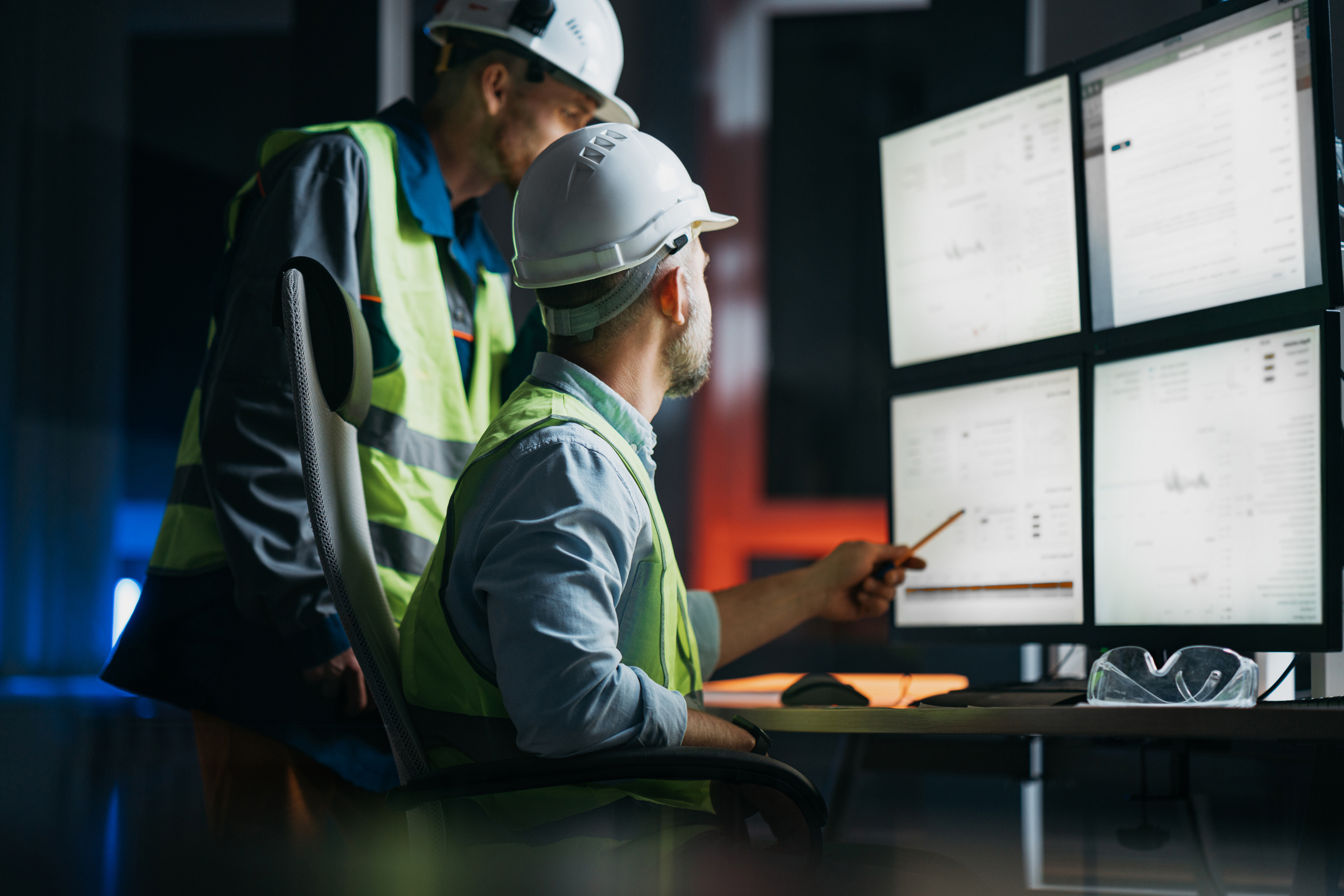
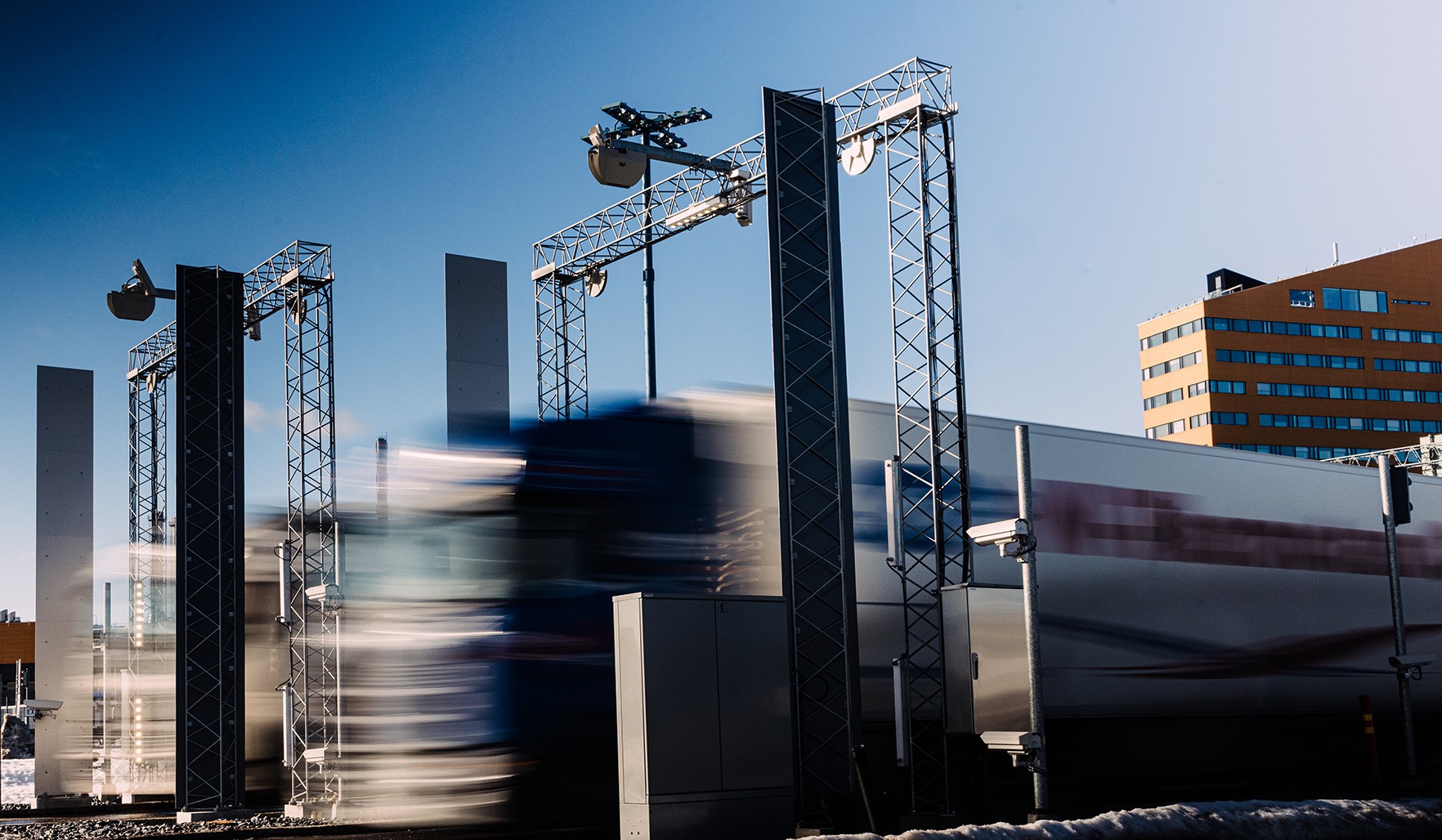
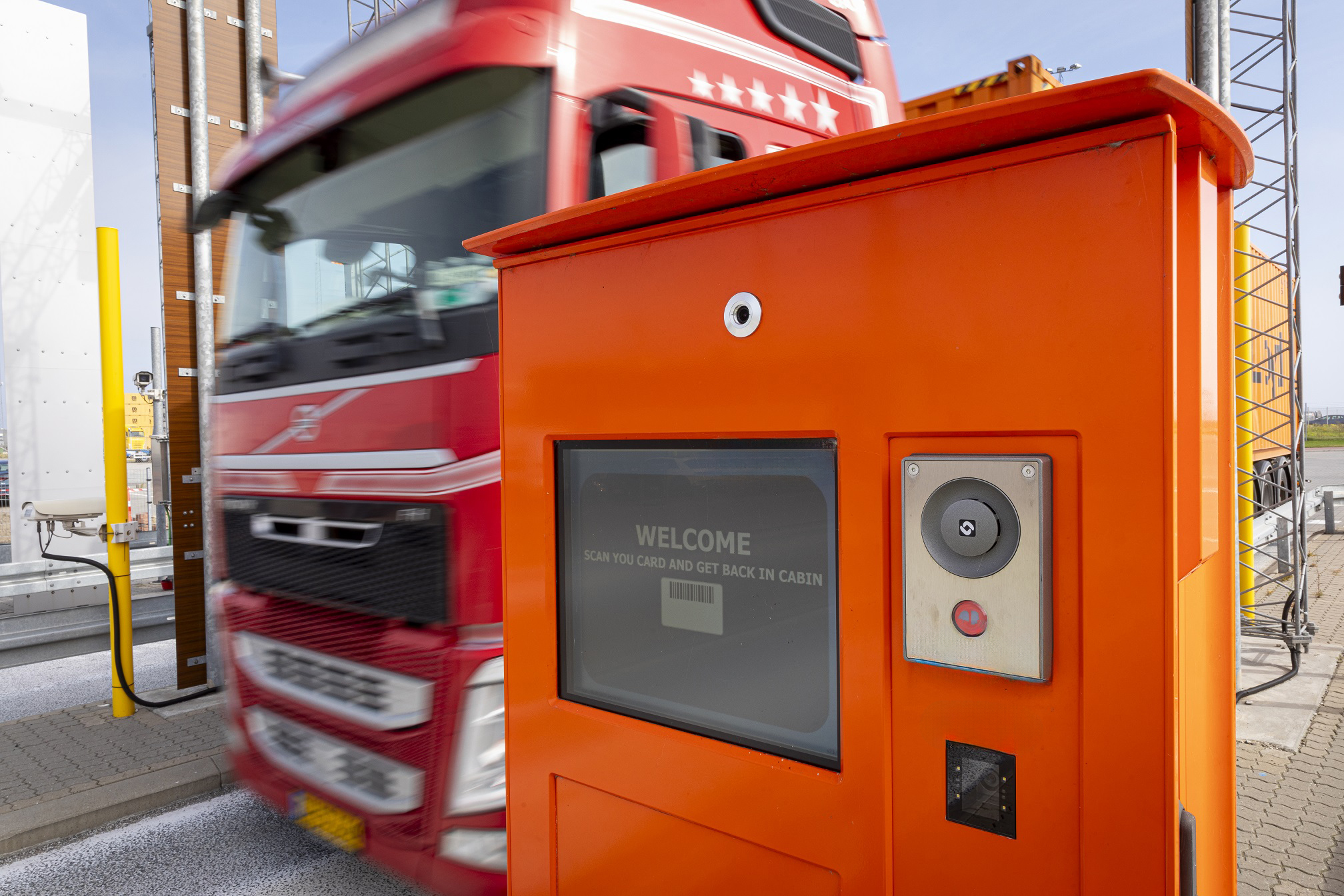
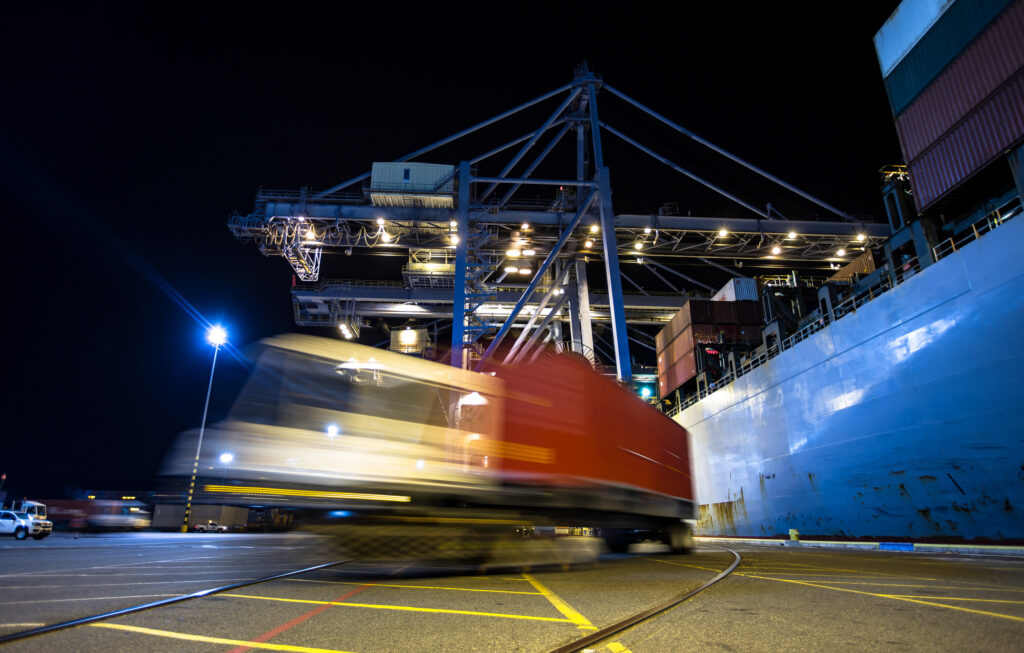
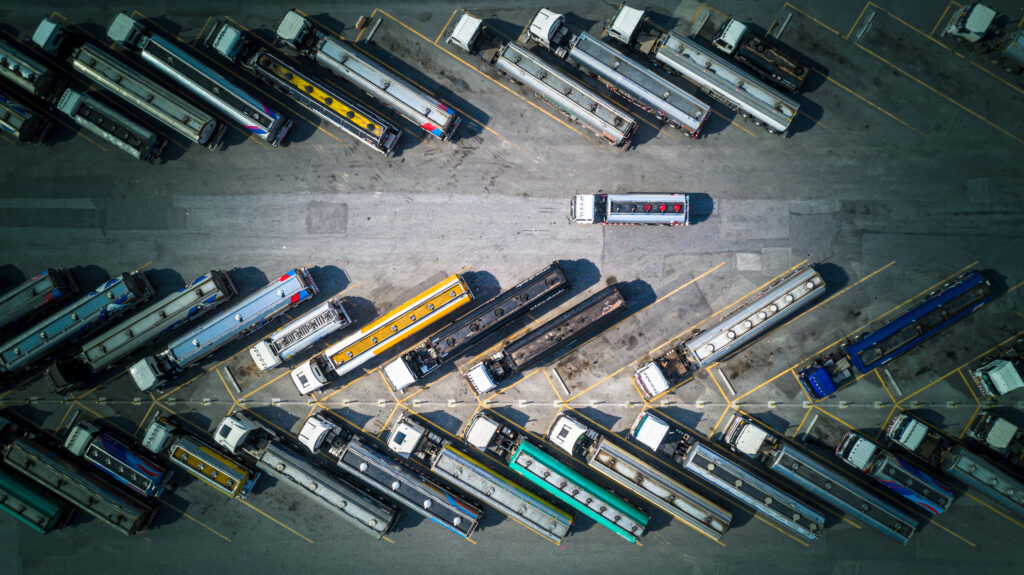
Smart Gate offering brings together systems, applications, and features designed to deliver world-class gate automation, perimeter protection, safety, and logistics automation – all in one platform. At the core of the ecosystem sits Visy Access Gate and Visy Truck OCR, keeping operations moving with full control and visibility. Built for scalability and flexibility, the Smart Gate offering serves businesses of every size and complexity.

Container Handling

Accurate, verified, and fully automated – every container move from quay to yard, captured and in sync with your operation.

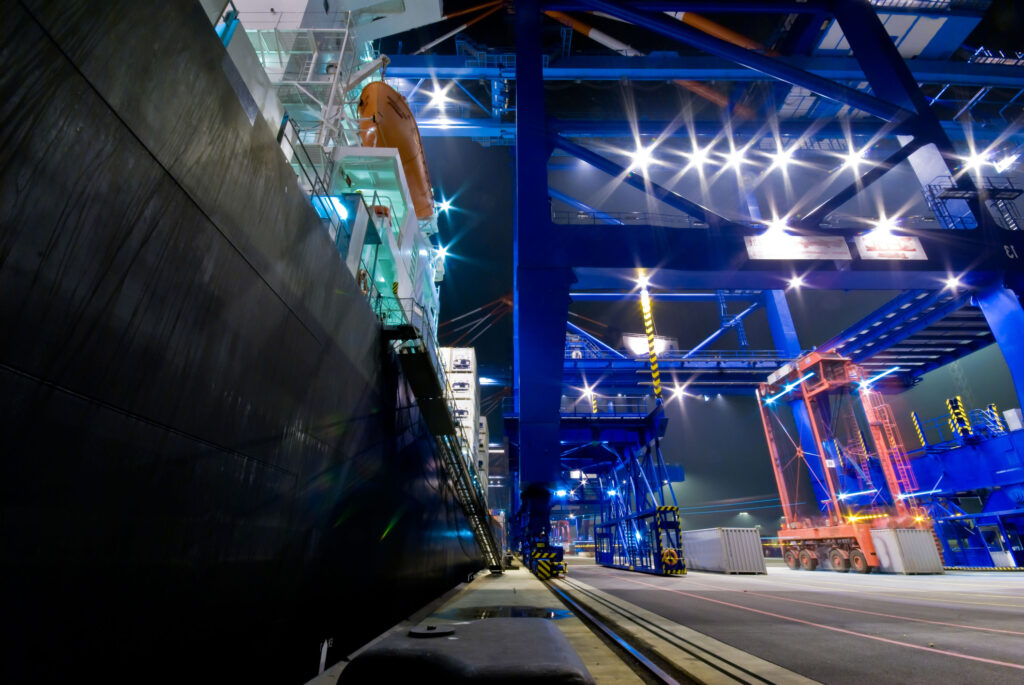
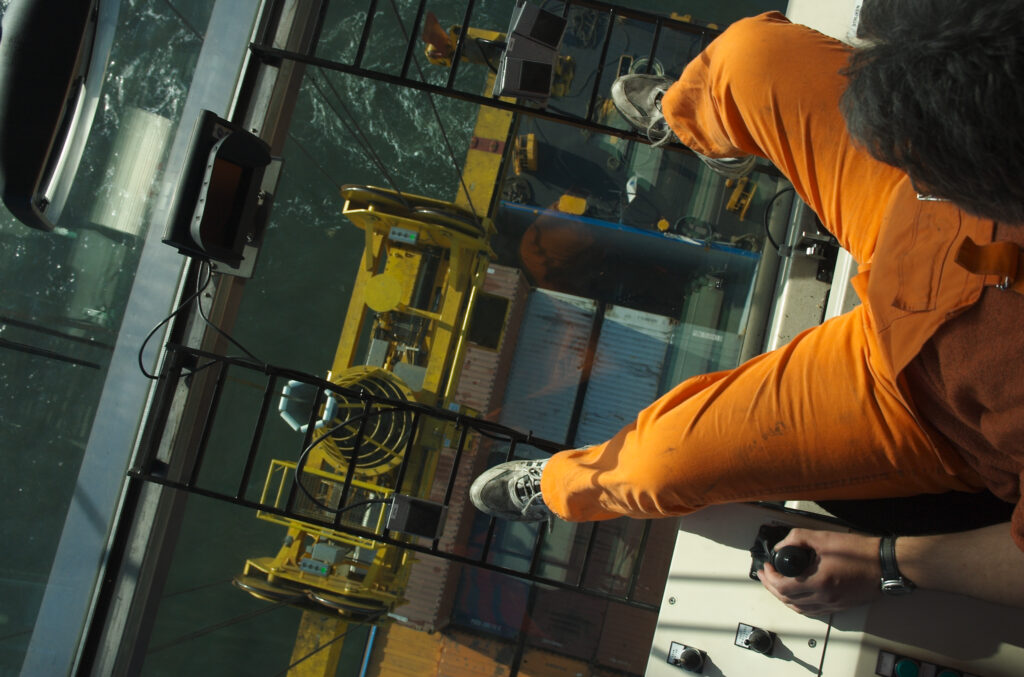
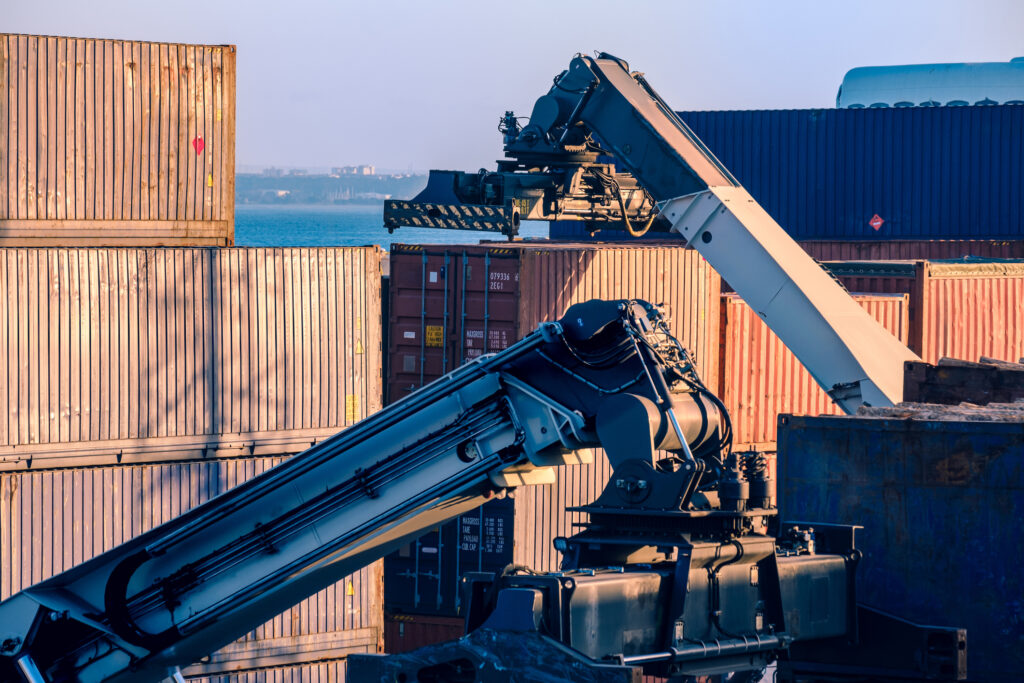
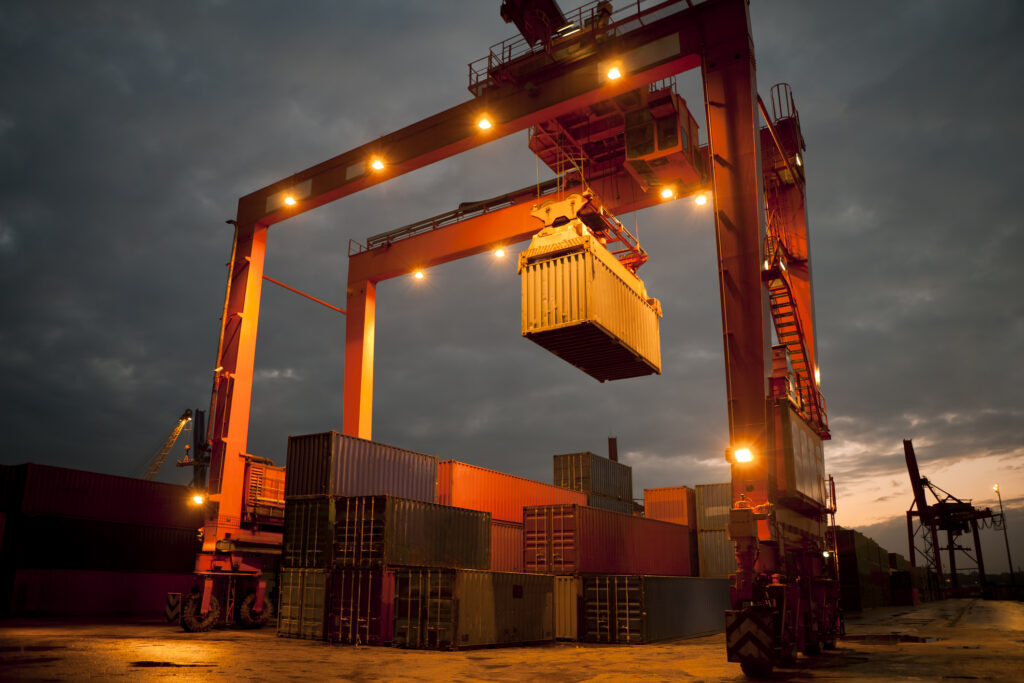
Vision technology systems combining camera-based AI and OCR, such as TopView, alongside management applications Visy Crane Gate and the Wharf Optimization Suite, deliver fully automated and digitized container handover. From quay cranes to yard operations and smaller CHE, every move is captured and recorded – with seamless integration into TOS and PDS, keeping the whole operation in sync.
Smart Rail

Automated rail cargo monitoring that puts safety first and leaves nothing unrecorded.

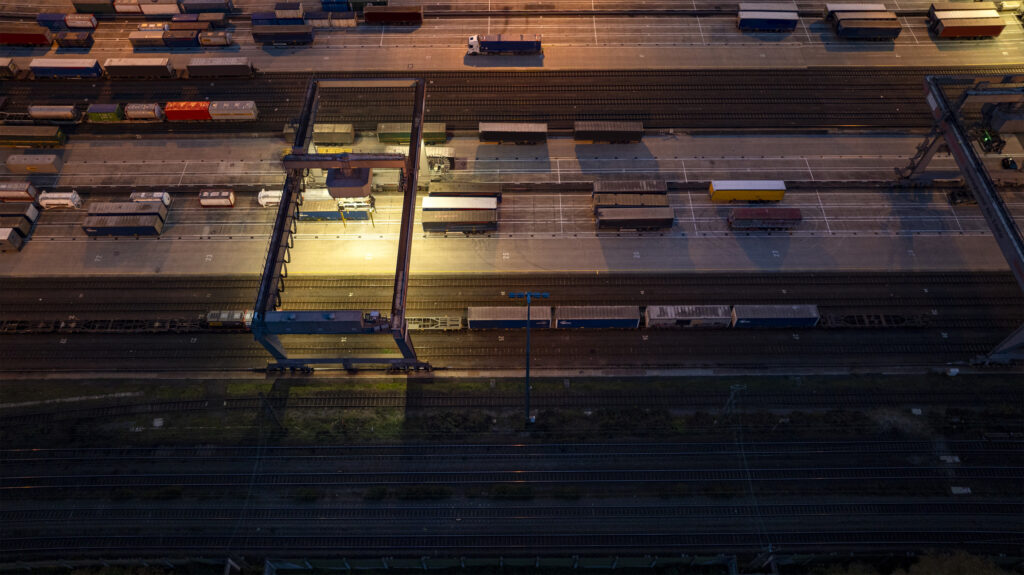
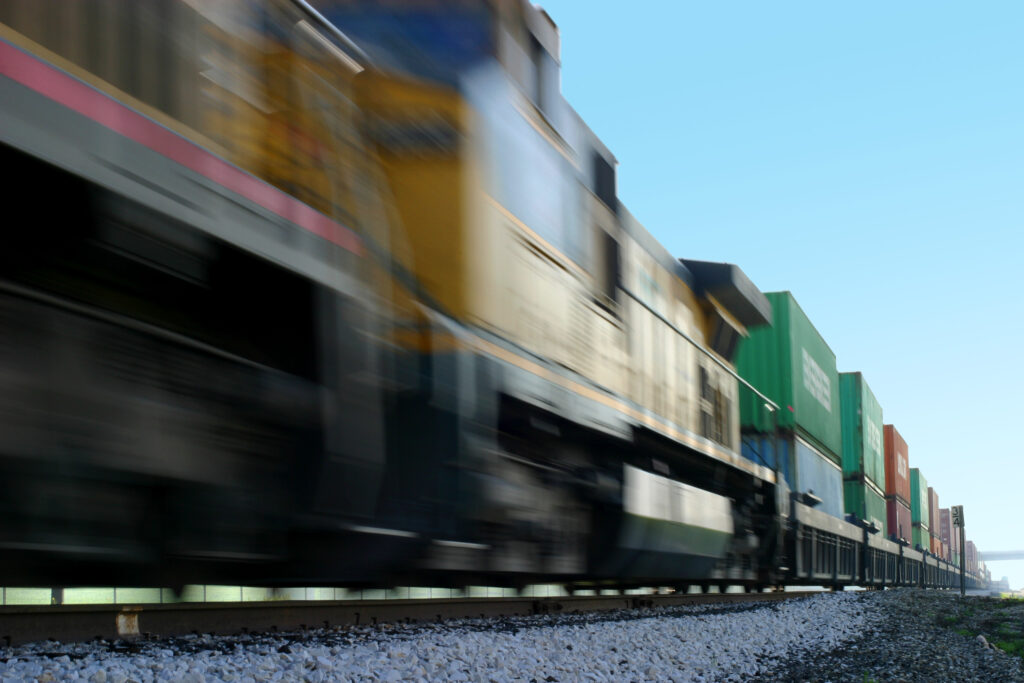
The Smart Rail offering gives employees the tools to work smarter – both on-site and in the office. The Visy Train Gate user application improves safety while radically increasing handling capacity, working in tandem with the camera-based AI solution Visy Rail OCR, which automatically captures wagon numbers, container IDs, cargo markings, and more as trains pass through. Manifests are compared against collected data in real time, accelerating decision-making and ensuring every loading and unloading process is accurate and efficient.

Software Add-ons

AI-powered add-ons that make every system sharper, smarter and more aware.

Software Add-ons bring disruptive AI capabilities to Visy OCR installations. Visy ADDS automatically detects and flags physical condition abnormalities – from holes in container roofs to dents and broken taillights – without manual inspection. Visy AREA gives terminals handling trailer cargo real-time location awareness and unique identifiers for every vehicle on site, reducing processing times and strengthening security. Visy ANPR and CCR software are available as standalone licenses, extending automation to any setup that needs it.

Frequently asked questions about OCR

What is OCR in ports, terminals, and industrial sites?
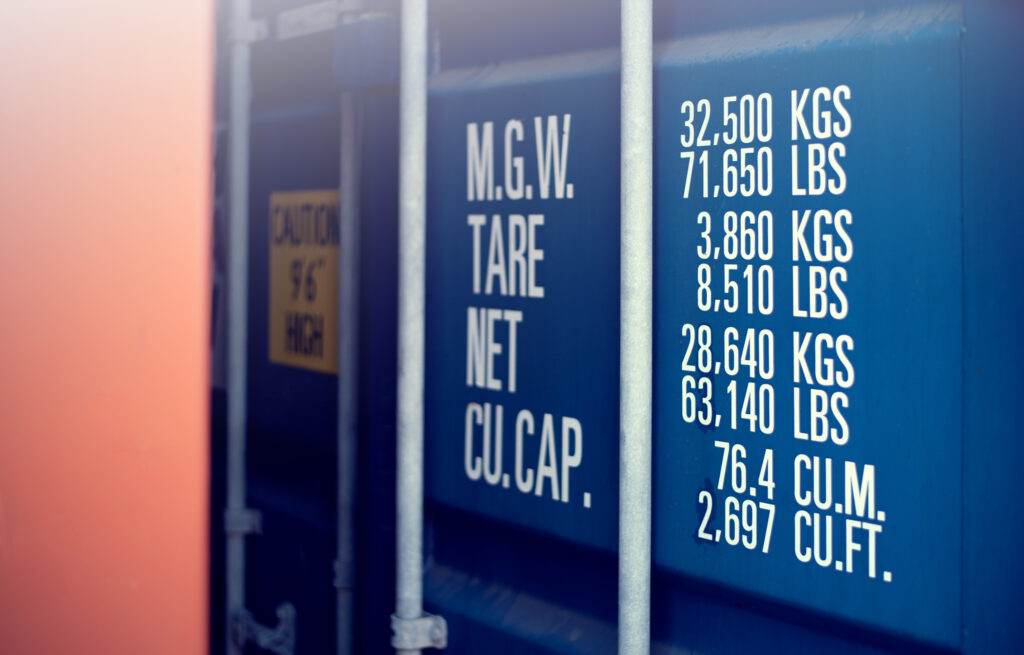
Optical Character Recognition (OCR) is a computer vision technology that captures container IDs, vehicle plates, wagon numbers, and other markings directly from images, without a person reading and typing them manually. It’s used at gates, cranes, and rail crossings across ports, container terminals, rail yards, and other industrial sites to identify what’s moving through a site as it happens.
How is computer vision different from traditional OCR?
Traditional OCR reads printed or stenciled characters from a single, well-lit image. Computer vision-based systems go further, they combine multiple camera angles, lighting conditions, and image processing steps to capture container ID even when markings are dirty, damaged, or partially obscured. This is why terminal-grade OCR is built on computer vision rather than off-the-shelf character recognition alone.
Does OCR fully automate identification, or does it need manual checks?
OCR systems capture identifying data automatically in the large majority of cases. Low-confidence reads, for example, from severely damaged, obscured, or poorly lit markings, are flagged for manual verification rather than accepted automatically.
Where is OCR used across a site?
OCR is typically deployed at three types of capture points: gate entry/exit lanes (Smart Gate), crane spreaders and legs during lifts (TopView, RTG/STS/RMG OCR), and rail crossings (Train OCR Portal). Which ones apply depends on the site – a rail yard may only need the crossing capability, while a container terminal typically uses all three.
Can OCR systems integrate with existing operational systems?
Yes, captured data (ID, damage flags, position) is passed to the site’s existing operating system so it can be matched against bookings, manifests, or schedules and used in normal workflows.
What role does OCR play in port and terminal security compliance?
OCR supports ISPS Code compliance by turning access control into a continuous, automatic record. Every vehicle, container ID, and security seal that crosses a gate is captured with an image and timestamp, creating the auditable trail the regulation requires.
Can Visy’s systems help with dangerous goods (ADR/IMDG) compliance?
Where placard reading is supported, OCR identifies dangerous goods markings on vehicles and containers as they pass through a gate, giving security teams a record for audits without adding a manual inspection step at the barrier.
How does OCR create an audit trail for security seals and container identification?
Each pass through a gate or crane capture point logs container ID, seal presence, and timestamp together as a single record. That capture-level trail is what supports incident investigation and regulatory audits. It’s a record of what was detected at that point, not a verification that the seal or container matches a specific booking; that match happens against source data separately.
Does gate automation reduce compliance risk compared to manual logging?
Manual logging depends on an operator reading and recording data correctly at each pass, which introduces gaps – missed reads, illegible handwriting, inconsistent timestamps. OCR closes those gaps by capturing container ID and vehicle data automatically at every pass, giving a more complete and consistent base for compliance reporting.