
powered by your vision
Seeing What Moves Your Operations Forward.
The future-proof partner for all smart gate, access control, and terminal automation needs.

powered by your vision
AI-based OCR Solutions for Terminal Automation.
Recognize cargo and asset markings automatically – turning manual checks into digital records.

powered by your vision
Your Partner in Access Control & Gate Automation.
Bringing you gate and access control automation, built alongside your team.
Know what you move.
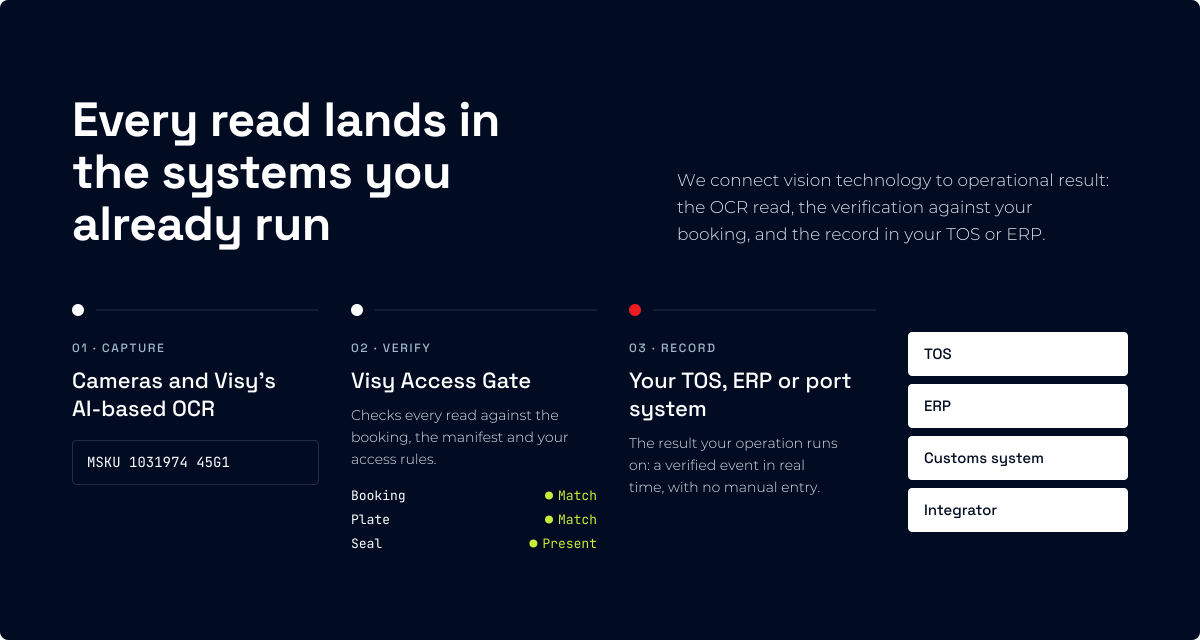
Powered by AI-driven OCR technology, Visy provides real-time visibility into every vehicle, container, and rail wagon moving through your gates and terminals.
Visy is a pioneer in optical character recognition (OCR), applied AI, and deep learning for camera-based automation solutions. Our expertise is built on 30 years of research and development of industry-leading technology. As a result, we have established a strong position as one of the top global vendors of OCR solutions, access control, and gate automation for the logistics sector.
Our solutions
SOLUTIONS & PRODUCTS
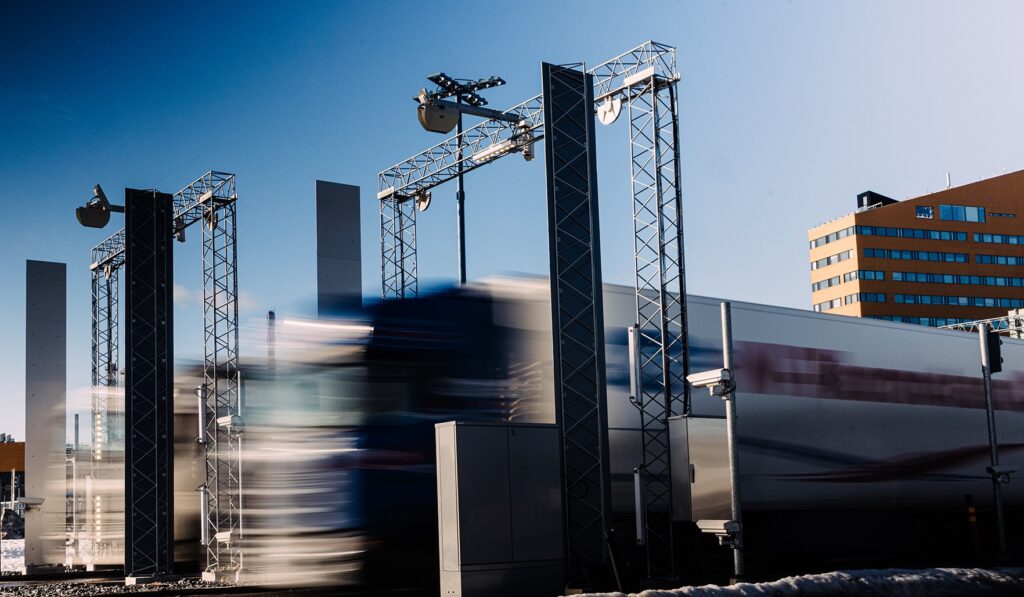
Smart Gate
Smart Gate offering brings together access control systems, user applications, and features designed to deliver world-class gate & terminal automation and perimeter protection.

SOLUTIONS & PRODUCTS
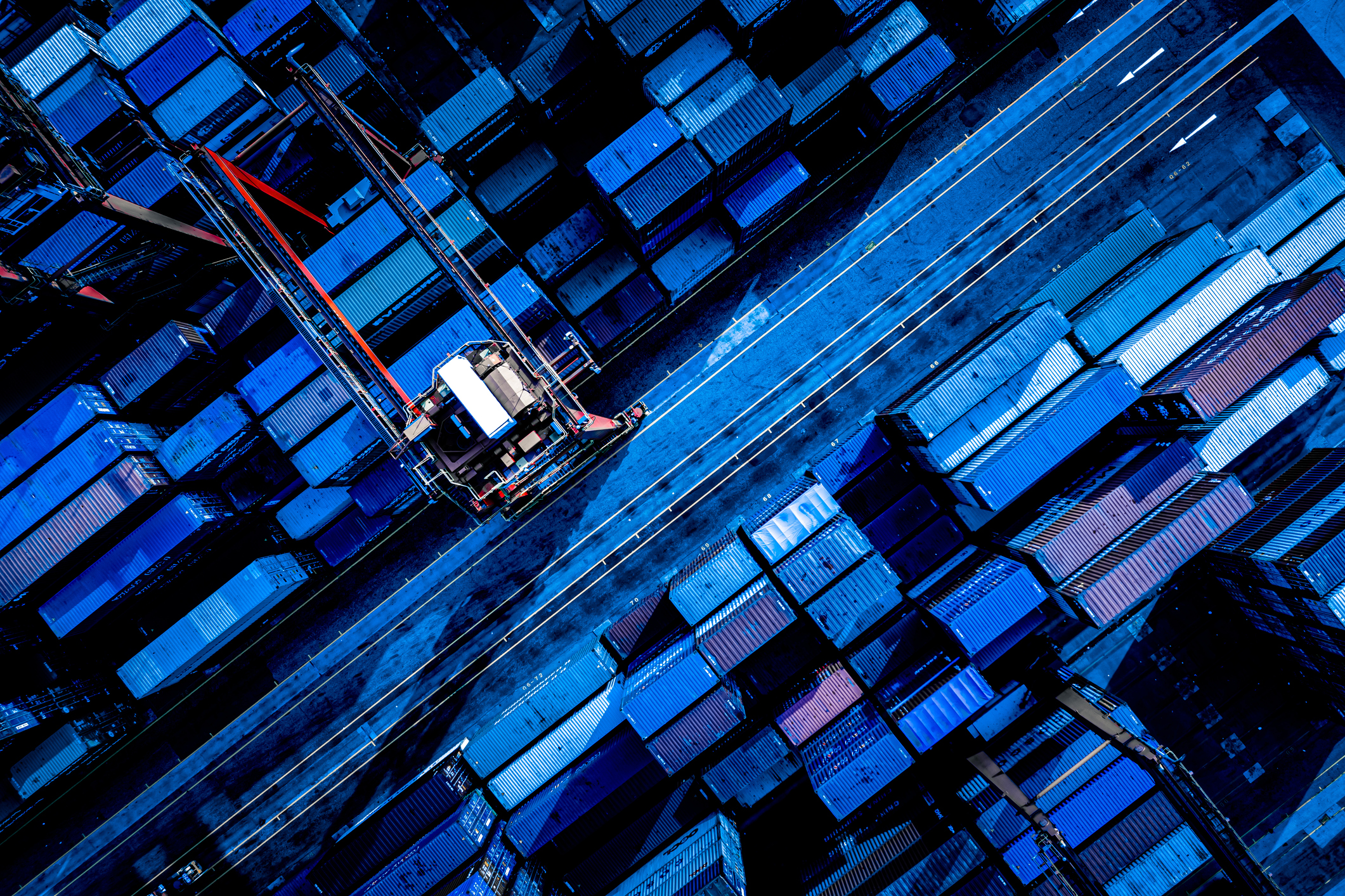
Container Handling
Vision technologies combining camera-based AI and OCR alongside management applications, deliver more automated and digitized container handling operations.

SOLUTIONS & PRODUCTS
Smart Rail
Smart Rail offering moves employees off the tracks and into the office through Visy Train Gate user application and OCR solutions, improving people safety while radically increasing handling capacity.

SOLUTIONS & PRODUCTS
Software Add-ons
Extend your system capabilities with disruptive AI products and standalone software solutions.
Operating with us


Results from sites like yours
Ports & Terminals
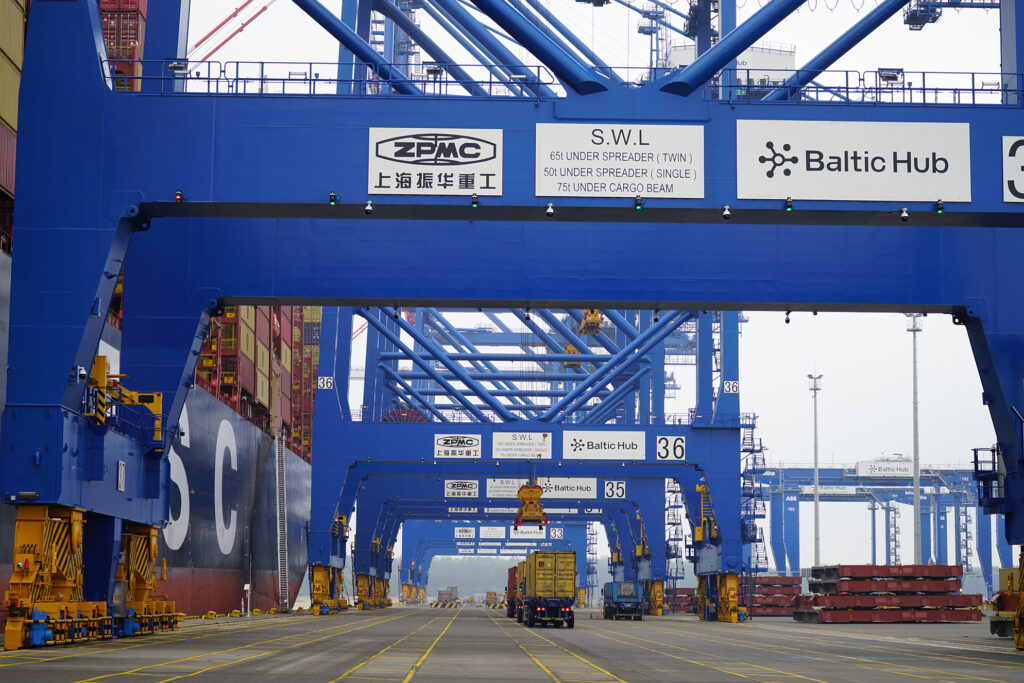
Baltic Hub.
A simpler container journey between wharf and vessel, with measurable gains in safety, move verification, and throughput.
Rail & Intermodal terminals
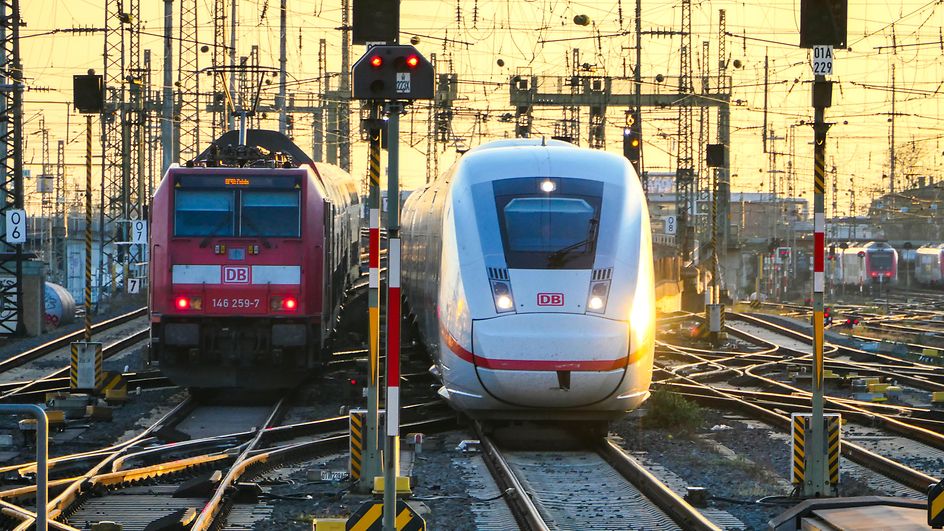
DB Netze AG.
Rail OCR portals across Germany give DB Netze a 98% OCR hit rate, wagon volumes up from 35,000 to 38,000 soon after go-live, and images that support repair assessments.
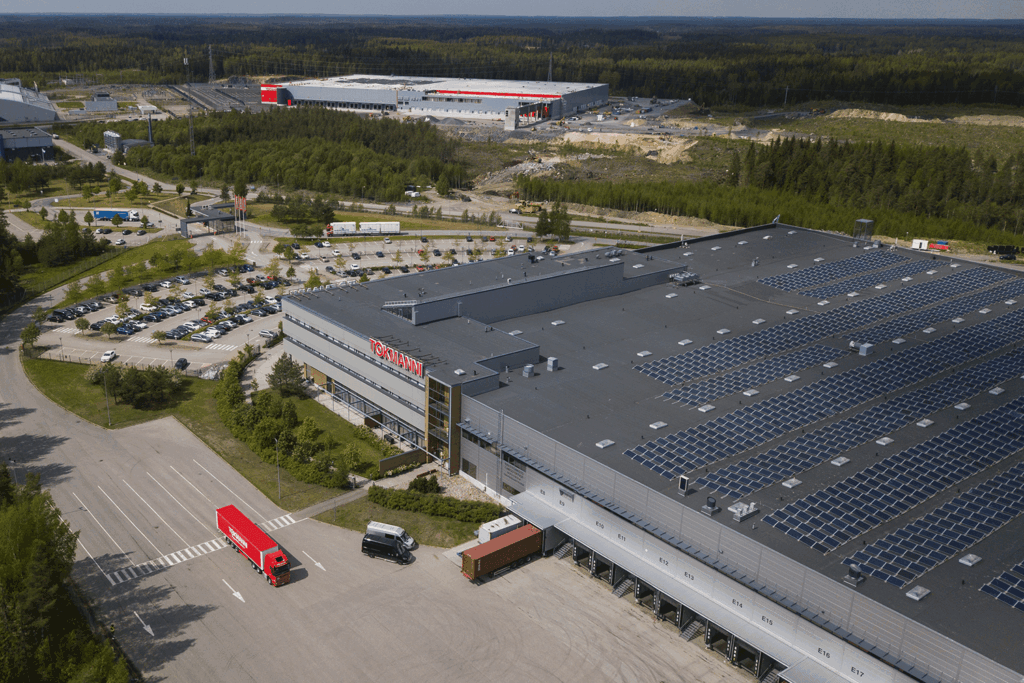
Logistics & Distribution centers
Tokmanni.
A fast start for Tokmanni with a proven access control solution already running at several similar sites, adapted to their customization requests.
AI-powered OCR and Access Management Systems for Automated Cargo and Asset Handling.
Wherever vehicles, people, and cargo need to be identified, our recognition technology gives you the visibility to monitor and manage what keeps your operations running. In practice, from ports and terminals to logistics hubs and industrial sites, we turn every asset that passes through into recorded, verified data.
CORE
Expertise
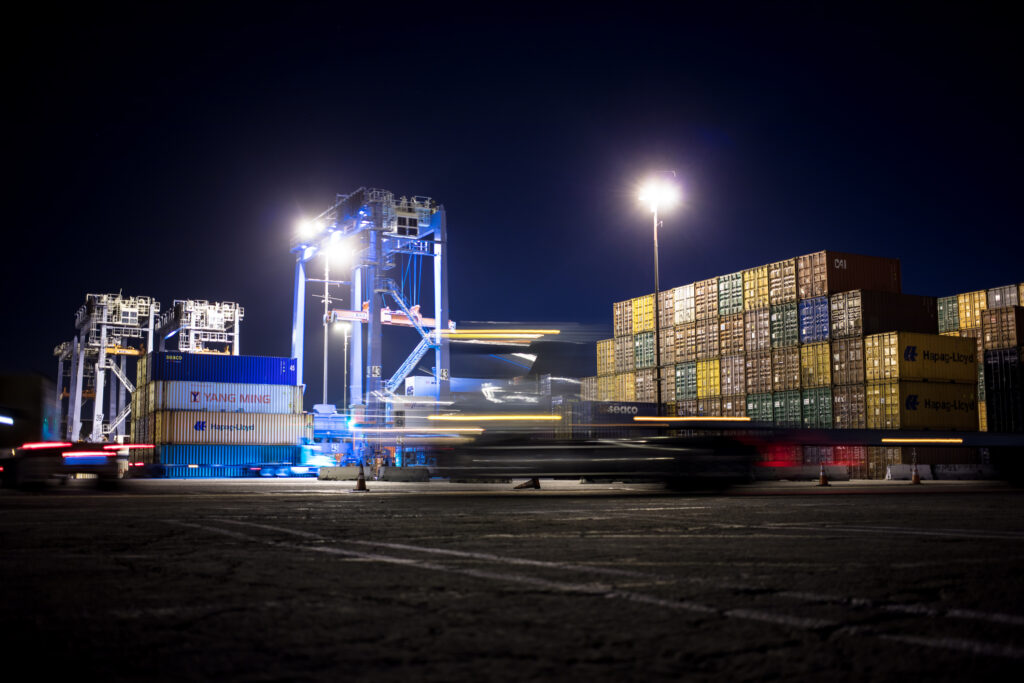
Over three decades, we have gained hands-on experience across container terminals, rail yards, industrial facilities, and border crossings. Today, that experience is built into every solution we design, integrate, and support.
SPECIALIZED IN
Industries
Our solutions are built for the industries that keep the world moving. These range from manufacturing and logistics to container ports, terminal operations, and government authorities, including customs and border control.
- License plates
- Vehicle location
- Trailer location
- Tyre & number of axles
- Car model & color
- Cargo type
- UN and ADR labels
- IMO labels
- Container IDs
- ISO codes
- Weight markings
- Seal presence
- Handles
- Door direction
- Trailer numbers
- Wagon IDs
- Wagon tare
- Wagon type
- Wagon weight-table
- Tank covers
- Number of wagons
- Damages
- Number and position of containers
Globally local
Asia
Visy operates at the central asia region through trusted integrator and sales partners – delivering gate, yard and quayside automation to terminals and logistics facilities throughout the region.
Partners

North Americas
Visy operates across Nort Americas region through trusted integrator and sales partners – delivering gate, yard and quayside automation to terminals and logistics facilities.
Partners


South Americas
Visy operates across South Americas region – delivering gate, yard and quayside automation to terminals and logistics facilities.
Europe
Visy operates across Europe both directly and through a network of trusted integrator and sales partners, delivering gate, yard and quayside automation to terminals and logistics facilities.
Partners

Africa
Visy operates across Africa region through trusted integrator and sales partners – delivering gate, yard and quayside automation to terminals and logistics facilities.
Partners


Asia
Visy operates across the APAC region through trusted integrator and sales partners – delivering gate, yard and quayside automation to terminals and logistics facilities throughout the region.
Partners


Australia
Visy operates across the APAC region through trusted integrator and sales partners – delivering gate, yard and quayside automation to terminals and logistics facilities throughout the region.
Partners

Tampere, Finland
Visy Headquarters
Innovating since 1994
500+ sites automated
6 000 000 + recognition events each day
30+ countries
Services
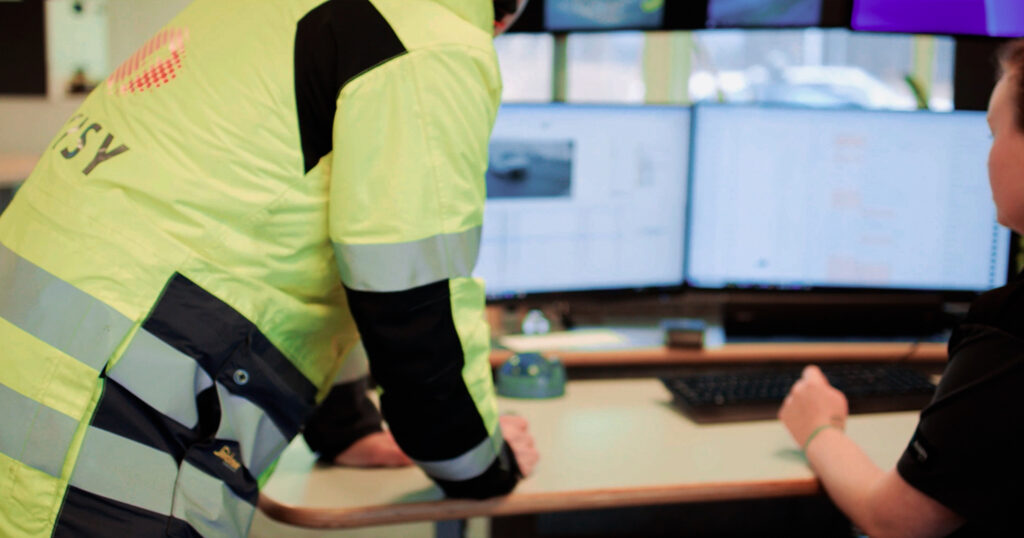
Support and maintenance
We stay after go-live.
The engineers who install your system stay with it. Through monitoring, updates and ongoing support, your system keeps developing as your operation changes.
Insights & News

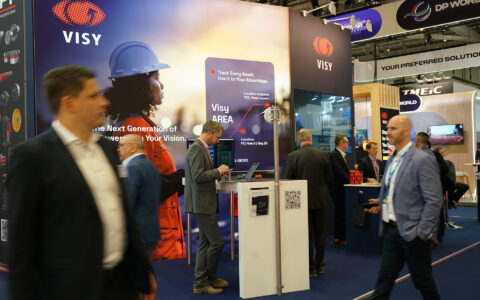
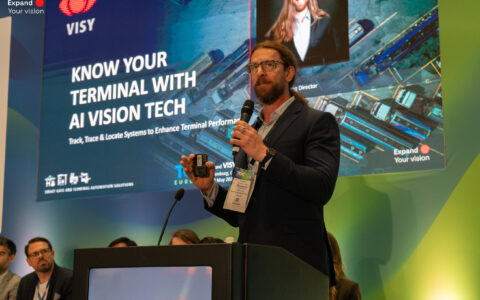
Follow us on LinkedIn
Frequently asked questions about terminal automation
What does Visy do?
What does OCR mean in the context of terminal automation?
What industries and applications does Visy serve?
How does Visy fit into your existing terminal setup?
What’s the difference between detection and verification?
What terminal automation applications does Visy provide?
Where has Visy been deployed?
What differentiates Visy from other OCR providers?

Contact us
Make your next big move.
Tell us what you want to automate. Our experts will review your inquiry and suggest a setup that fits your operation.