
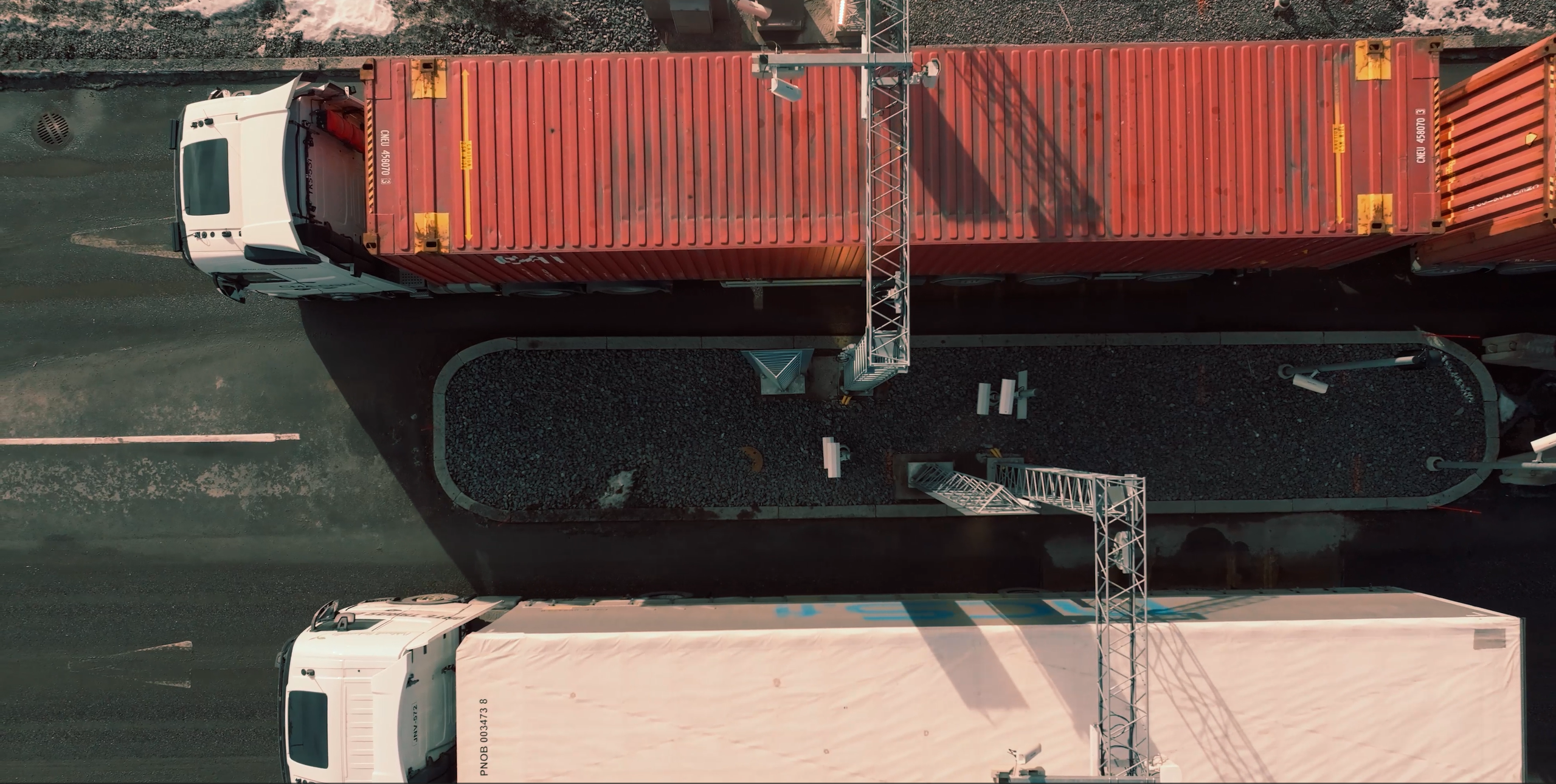
Insights | In this FOCUS ARTICLE we will explore GOS systems.
GOS Systems: How They Benefit Port and Terminal Operations
A Gate Operating System turns every gate check into measurable performance
GOS systems automate the gate: a truck pulls up, and within seconds the system identifies the license plate and driver, checks its access rights, and guides it forward – with no one standing outside logging it by hand. For the terminal, that single moment is the key point: shorter queues, fewer manual checks, and a gate that keeps assets moving through the peak hours.
What makes all this possible stays out of sight. A Gate Operating System (GOS) – the multi-layer access control system that ties cameras, barriers, and the terminal operating system together. The system confirms who is at the gate and what they are allowed to do and in which areas, and captures the whole event chain in a form that holds up later for auditors, insurers, and incident reviews. The same groundwork meets the access control obligations terminals work under, from the ISPS Code to the EU Port Security Directive: control who enters, know in real time who is on site, and reconstruct what happened.
GOS systems: Trucks go through faster, data captured every time
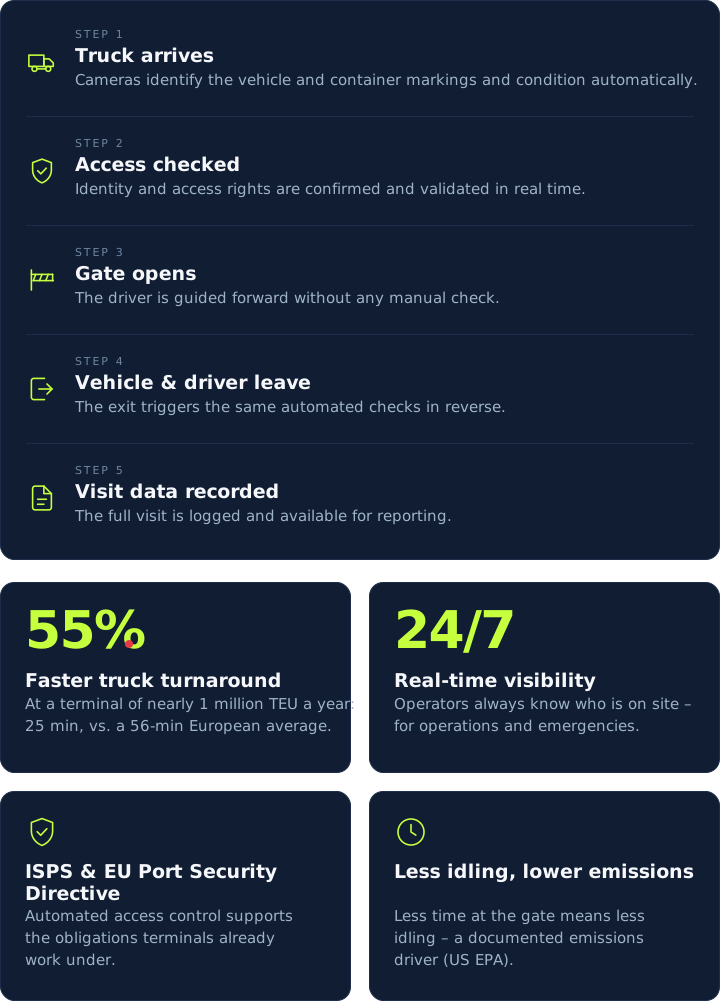
Taken together, meeting regulations, reducing manual work, and making everyday tasks smoother are what turn automation from an IT project into an operational result. You’ll gain turnaround times you can measure, a defensible record when something is disputed, and real-time visibility of who is on site when it matters most.
This article looks at how Visy Access Gate GOS delivers this in daily operations as terminals grow, automate, and change the way they work, and how the product team evaluates new ideas before they are tested and put into production.

Customers report very practical things and are happy about the concrete benefits of Visy Access Gate.
Anni Hakola, Visy Access Gate product owner
Automation changes what happens at the gate
For many terminals, the gate is where time quietly gets lost. Before automation, staff logged incoming trucks – driver information, license plate, container ID, reason of the visit – by hand, checked them against lists, and guided drivers forward in person. With a Gate Operating System, OCR and Visy Access Gate handle much of this without continuous manual work.
“Customers report very practical things and are happy about the concrete benefits of gate automation. For example, they no longer need to stand outside in the rain logging trucks by hand. The driver can start the process themselves, and the vehicle can be identified, access verified and guided forward automatically. This shortens turnaround times and makes the whole process run more smoothly,” Hakola says.
Automation also leaves the terminal with a defensible record. When vehicles and containers are identified and their movements are captured in the system, events can be reviewed afterwards.
“If someone later claims, for example, that a truck or container was damaged while it was on the customer’s site, the situation can actually be investigated. Without captured data or images, it can easily come down to what different people remember happening,” Hakola adds.
GOS systems help terminals meet security regulations
Access control at a port facility or industrial site isn’t only an operational choice – it’s a compliance requirement. Under the ISPS Code (the International Ship and Port Facility Security Code), facilities are expected to control access, monitor restricted areas, and maintain records that support their declared security level – obligations set out in each facility’s Port Facility Security Plan. Regional frameworks build on the same principles – the EU Port Security Directive extends similar expectations across EU port areas, and comparable access control and reporting requirements exist under national and regional regulation elsewhere, from the US MTSA to port authority rules in Asia-Pacific and beyond.
The ISPS Code scales this obligation across three security levels – normal, heightened, and exceptional – and a facility’s Port Facility Security Officer is responsible for keeping the security plan active and adjusted to whichever level currently applies. Moving between levels depends on already knowing, accurately and in real time, who is on site to begin with.
“In normal daily operations, the number of people currently on site may seem like just one piece of information among many. In an emergency, however, it can become very important. You need to be able to quickly check whether someone may still be on site,” Hakola explains.
Automated identity checks, logged entries and exits, and captured event data give operators the groundwork to meet these obligations – and, as above, something concrete to work from if they need to investigate an incident afterwards. The same data trail also feeds into the traffic and emissions reporting many terminals increasingly must provide, so operators can report on safety, security, and environmental performance backed by captured data rather than estimates.
Shorter gate visits, less idling
On the environmental side, the US EPA’s Ports Initiative works with the industry on a similar principle, though as a voluntary partnership rather than a binding requirement: ports and terminals are encouraged to track and report traffic and emissions data as part of broader air-quality efforts.
The US EPA lists GOS systems and gate automation among its recommended strategies for reducing idle and creep time and the air pollution that comes with it, alongside measures like appointment systems and off-peak operating hours. (EPA, Port Gate Management Strategies Improve Air Quality and Efficiency at Ports)
At APM Terminals Gothenburg, Visy’s GOS-driven automation cut truck turnaround time by more than 55%, down to 25 minutes compared to a European average of 56 minutes – and less time at the gate means less idling, a documented driver of port-related emissions. (Video: Automated gates at APM Terminals Gothenburg)
The data captured by GOS systems also gives a realistic picture of what’s actually happening on site and when. Peak hours become easier to identify rather than assume, which makes it possible to plan around them: adjusting staffing, gate scheduling, or appointment windows to smooth out congestion instead of reacting to it after the fact.
GOS SYSTEM
Visy Access Gate
Visy Access Gate is a versatile Gate Operating System (GOS) designed to automate gate operations and access management procedures at industrial sites.

The interface looks simple – a lot happening underneath
From managing checkpoints and editing permits to reviewing event pictures, Visy’s Gate Operating System – Visy Access Gate – lets customers run gate and self-service transactions for visitors and drivers from inside the office. Behind that interface, a multi-layer system connects dozens of pieces of equipment and sub-systems: LPR/ANPR and OCR cameras, barriers, and integrations with third-party systems, all working together to create the automated process. Many of the application services running in the background are Visy’s own, but the full solution also involves customers’ systems – for example, the terminal operating system (TOS) around job verification, communication, notifications, and maintenance.
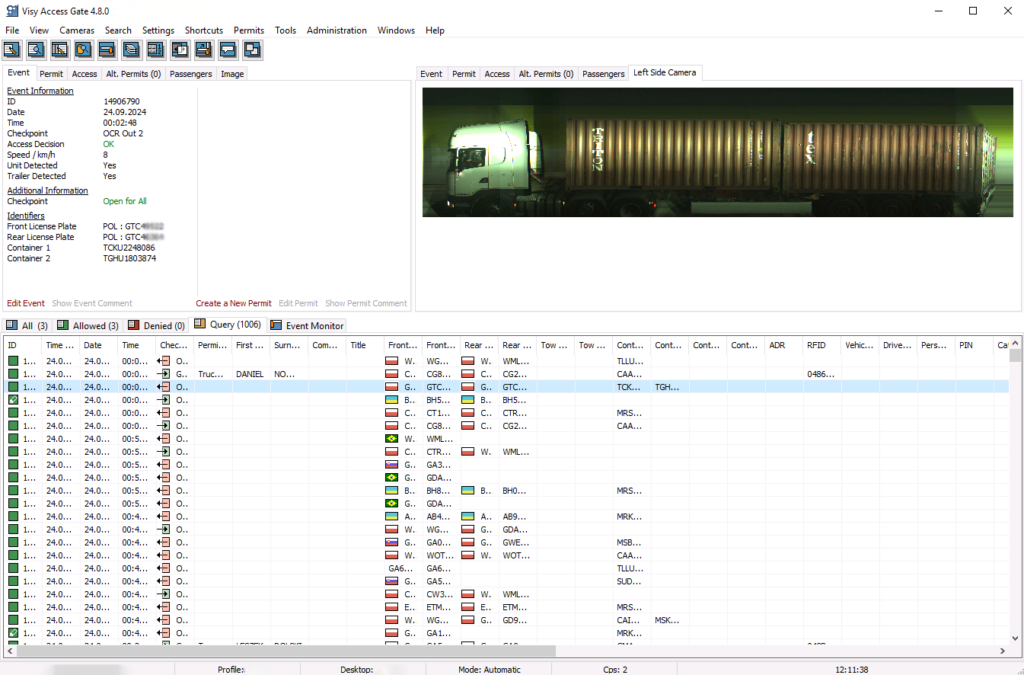
From the user’s side, all of this is meant to stay simple. Complexity of the GOS systems stays in the background; the user sees only the information and functions they need.
“From the customer’s point of view, Visy Access Gate may look like a fairly simple user interface. In reality, there is a lot happening underneath it all the time. All the different parts need to work together so that the automation can run as smoothly as it should,” Hakola says.
New features start as ideas from customers and Visy’s own teams
Some product features trace directly back to compliance requirements. The access-control obligations covered earlier – others come from customers asking for something that would make a real difference to their day-to-day operations. Either way, behind every feature that ends up in Visy Access Gate is a product team weighing and deciding where the priority is at all times.
“New ideas come from many different directions. Visy’s sales, project, and maintenance teams hear them from users and customers, and some ideas also come directly to me from customer discussions. My role is to bring these different views together and assess which ideas are worth taking forward in the development of the application, and when,” Hakola adds.
Hakola and the team evaluate each idea on the benefit and value it would bring and on how it would be implemented technically, then turn the ones worth pursuing into development tasks. None of this happens in isolation: software development, maintenance, and project teams all feed into it, and it sometimes takes several discussions before everyone agrees on the actual problem to solve. Building a feature involves far more than writing code – understanding what it might affect, designing it, building it, testing it with real users before release, and adjusting it based on what that turns up.
“I think of my role as product owner very much as a bridge between different teams. I try to help software development understand the user and customer perspective, while also helping other teams understand what a change really means from a technical point of view.” – Anni Hakola, Visy Access Gate product owner
It all comes together at the gate
For a terminal coordinator, the gate doesn’t look like a collection of separate systems to keep track of. It’s one truck arriving at the gate, one automated check, one event captured – and behind that single moment sit the identity checks, the ISPS and regional security obligations, the traceability that protects the site if a dispute arises later, and the traffic data that quietly makes tomorrow’s schedule easier to plan.
That’s what GOS systems like Visy Access Gate carry: simple enough that a coordinator working from inside the office barely notices it, thorough enough to hold up against a security audit, and detailed enough to show, in real numbers, that faster turnaround also means a smaller footprint. The daily work of running a compliant, efficient site shows up exactly there.
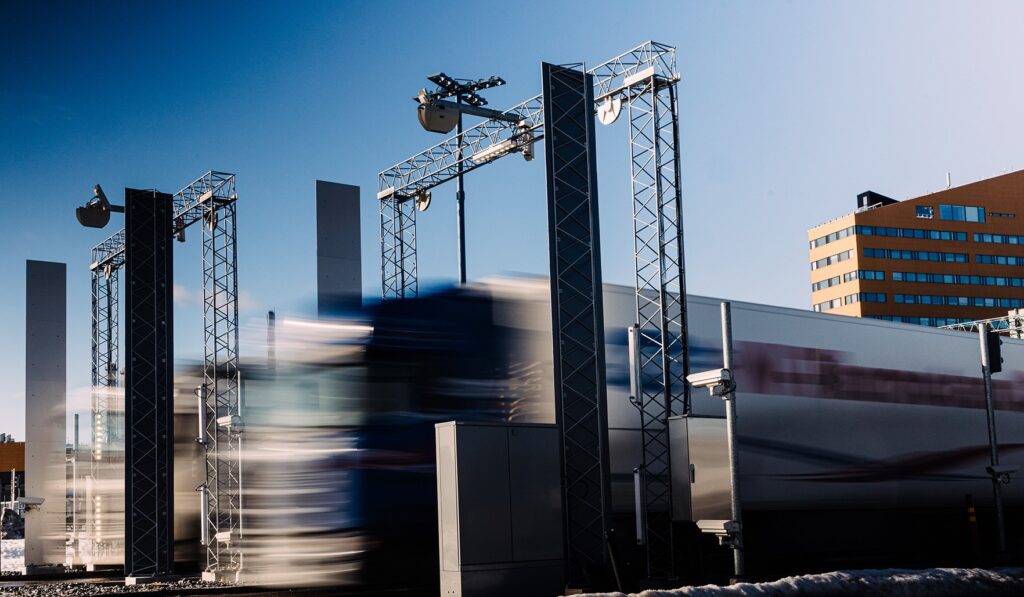
GATE OCR SYSTEM
Visy Truck OCR Portal
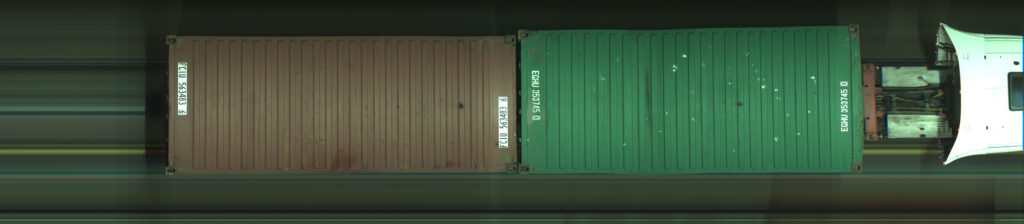
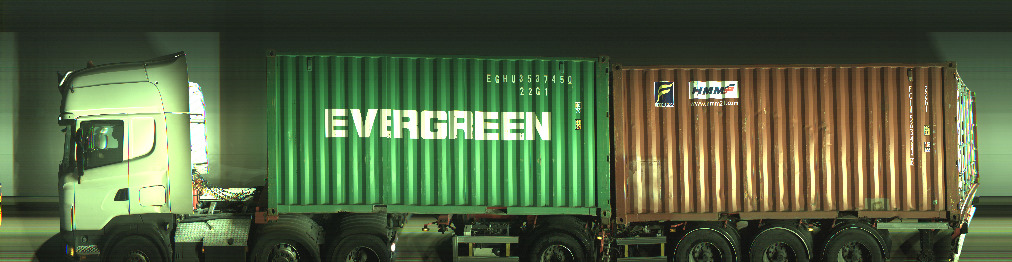
Visy Truck OCR Portal is a key component of Visy Access Gate GOS. It captures images and digitizes road cargo data as vehicles pass through the portal – without interrupting traffic flow.

GOS SYSTEM FEATURE
Visy Service Kiosks
Visy Service Kiosks are self-service transaction checkpoints designed to streamline gate visits at container terminals, ports, and industrial facilities.
INDUSTRIES
Ports & Terminals
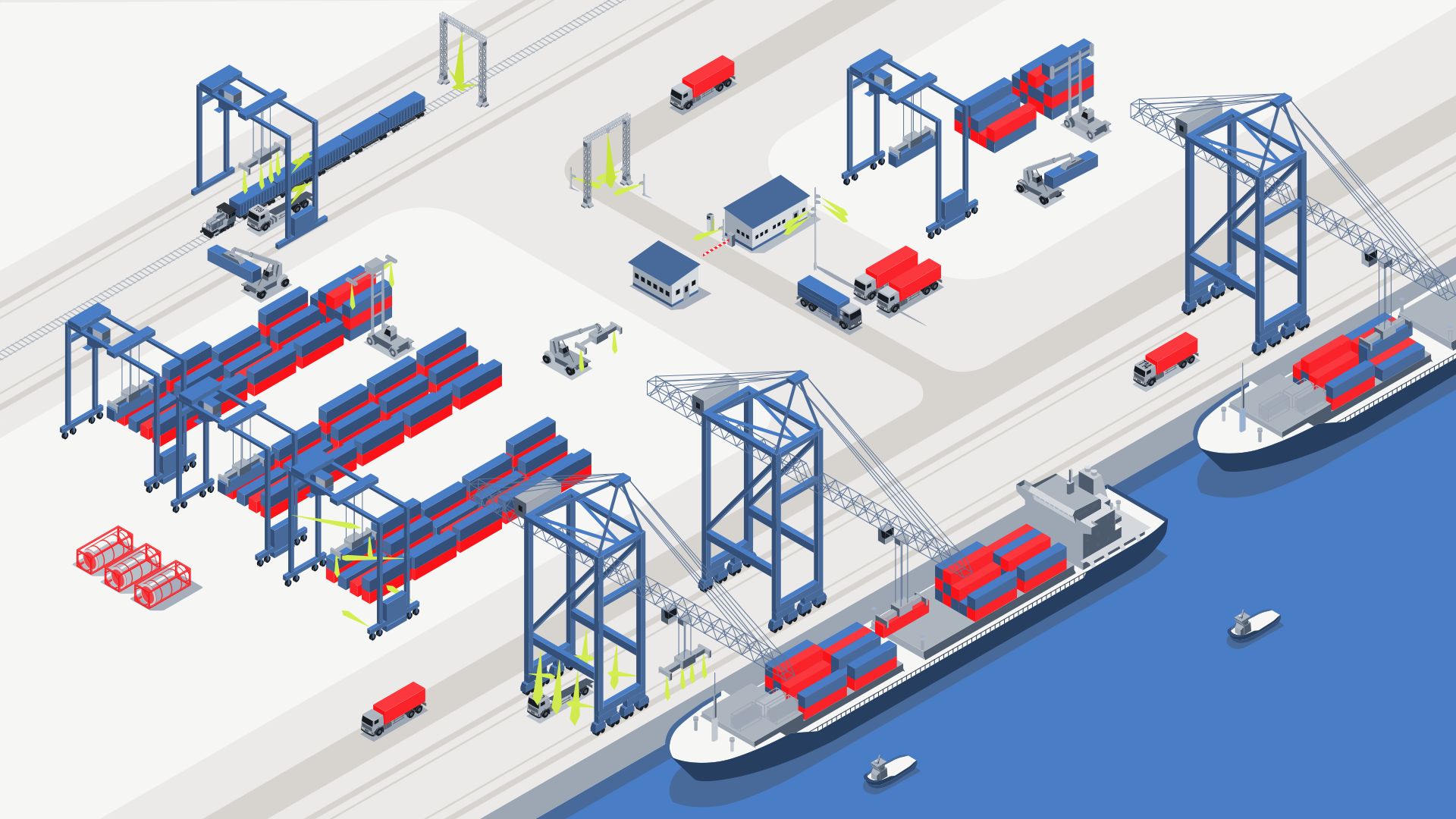
Container terminals and port operators trust Visy to automate movement across gate, quay, rail and yard. Solutions deliver full gate and terminal automation – saving time, money, and reducing environmental impact.
GOS systems FAQ
What Are GOS systems?
How do GOS systems benefit port and terminal operations?
Do GOS systems support ISPS Code compliance?
How does automation improve traceability?
Do GOS systems reduce emissions?

Contact us
Make your next big move.
Tell us what you want to automate. Our experts will review your inquiry and suggest a setup that fits your operation.