Insights | case studies
Wharf Optimization Project at Baltic Hub
Baltic Hub raised the bar on quay safety and throughput.
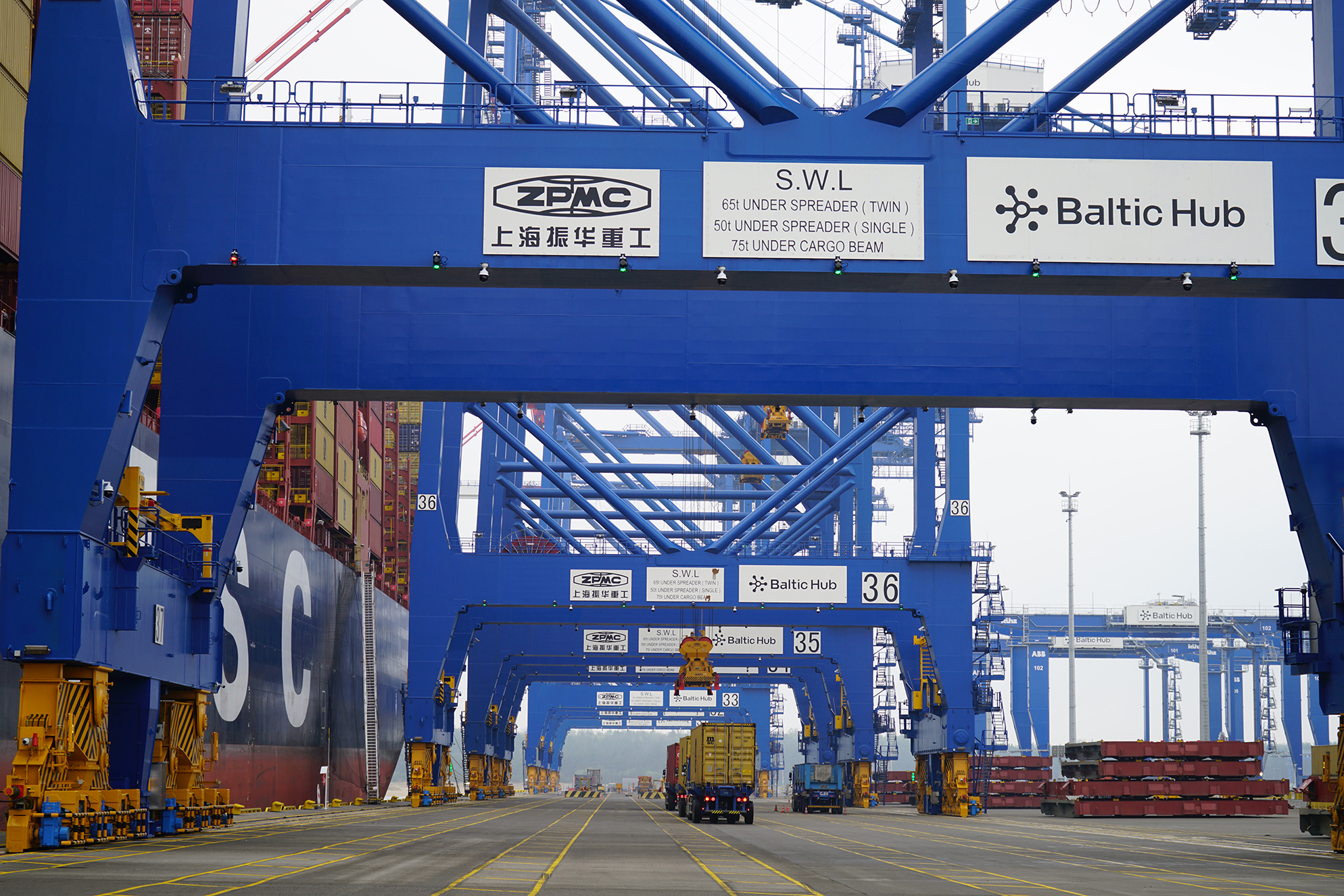
Visy has delivered a Wharf Optimization solution to Baltic Hub, marking a major milestone in the terminal’s digital transformation. The system – which will be fully operational in 2025 – includes Visy STS OCR and Visy TopView systems. It also includes the new customized Visy Crane Gate Wharf Application suite. This suite is designed to manage and digitize the entire container handling journey at the wharf.
Deeply integrated with the N4 TOS, the solution covers the full wharf-to-vessel process – digitizing and recording every lift to sharpen accuracy, transparency, and operational flow. Moreover, configuration was tailored to Baltic Hub’s routines across all quayside activity. This includes wharf-to-back-office communication, lasher pinning workflows, OCR optimization, and purpose-built interfaces. The result is a system that fundamentally changes how vessels are serviced.
Before the Wharf Optimization project, Baltic Hub’s container registration at the quay was entirely manual – creating growing pressure on both operational efficiency and safety. To address this, Visy delivered a Wharf Optimization solution comprising Visy STS Crane OCR, Visy TopView – Spreader OCR, and the Visy Wharf Application Suite for digitizing and managing handling events. As a result, there is now a streamlined container journey between wharf and vessels. This produces measurable gains in safety, container move verification, and terminal throughput.

• A member of the PSA Group
• 2.24 million TEUs in 2024
• Located in Gdańsk, Poland, connecting Asia, European Union and the emerging market of Central Eastern Europe
• Currently operates two deep-water berths: T1 (625m) and T2 (570m)
• A third berth, T3, is under construction and expected to be fully operational by the end of 2025. This will increase annual capacity to 4.5 million TEUs.
• 24/7 operations, ensuring seamless integration with road, sea and rail networks for uninterrupted supply chain activities
View images
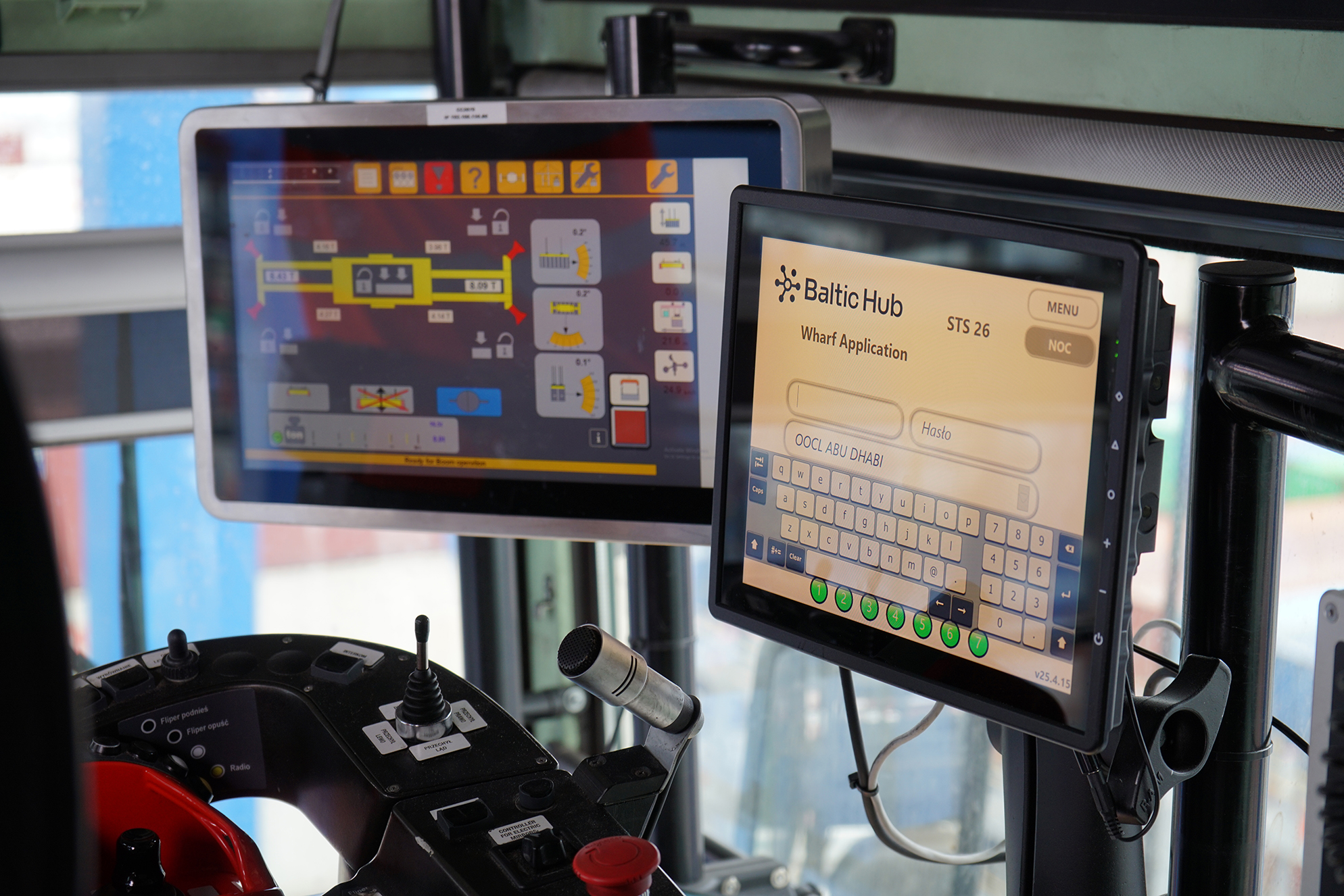
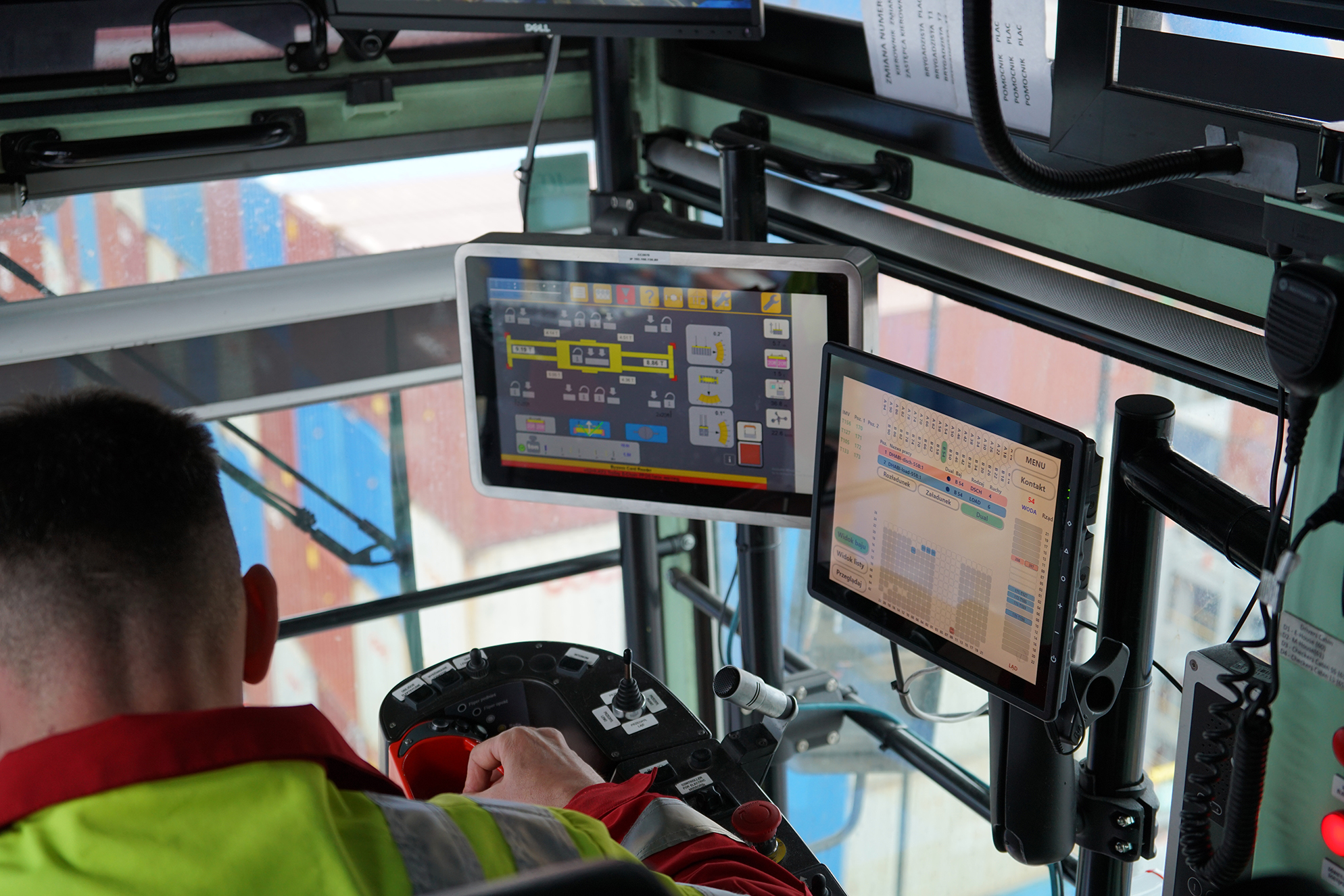
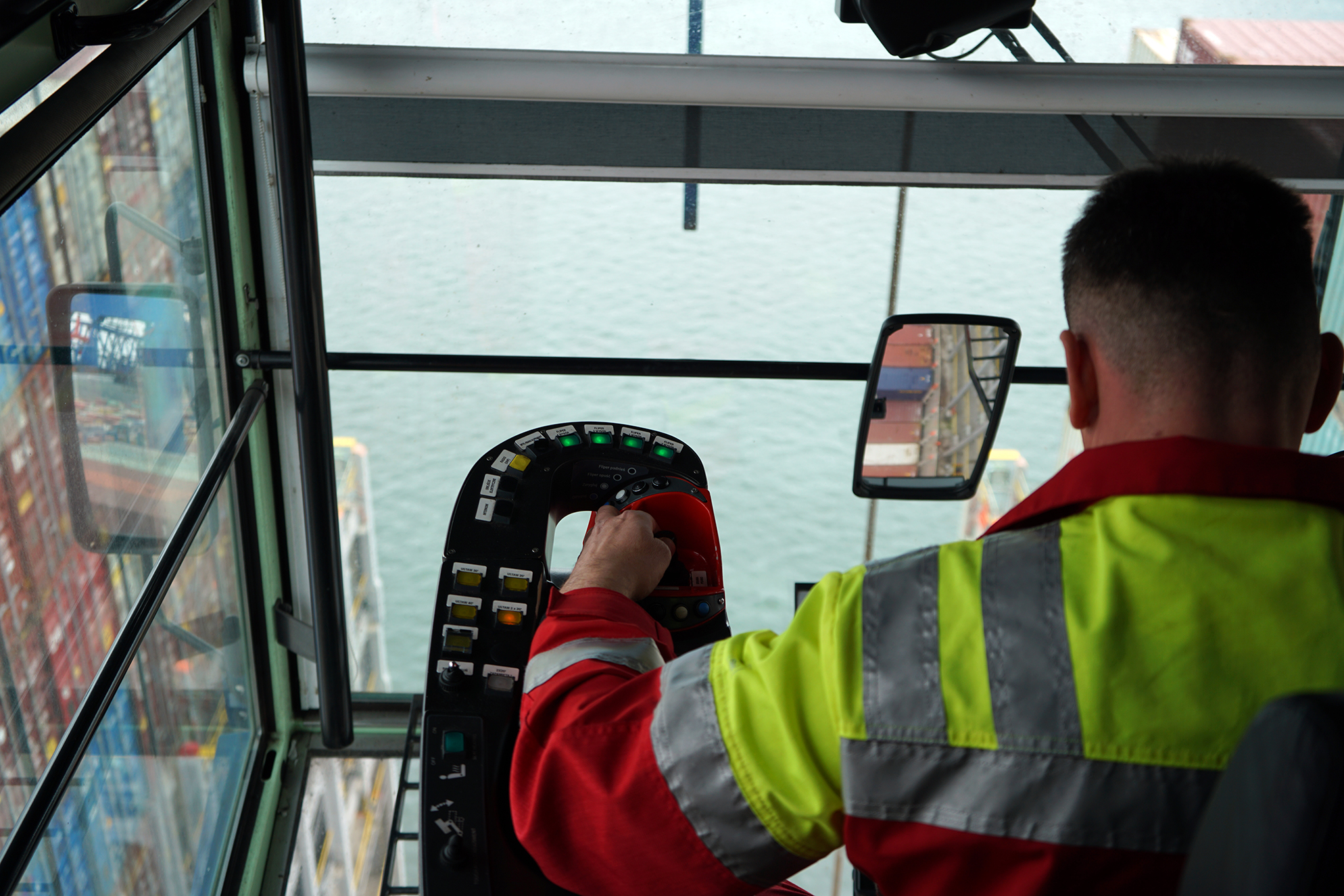
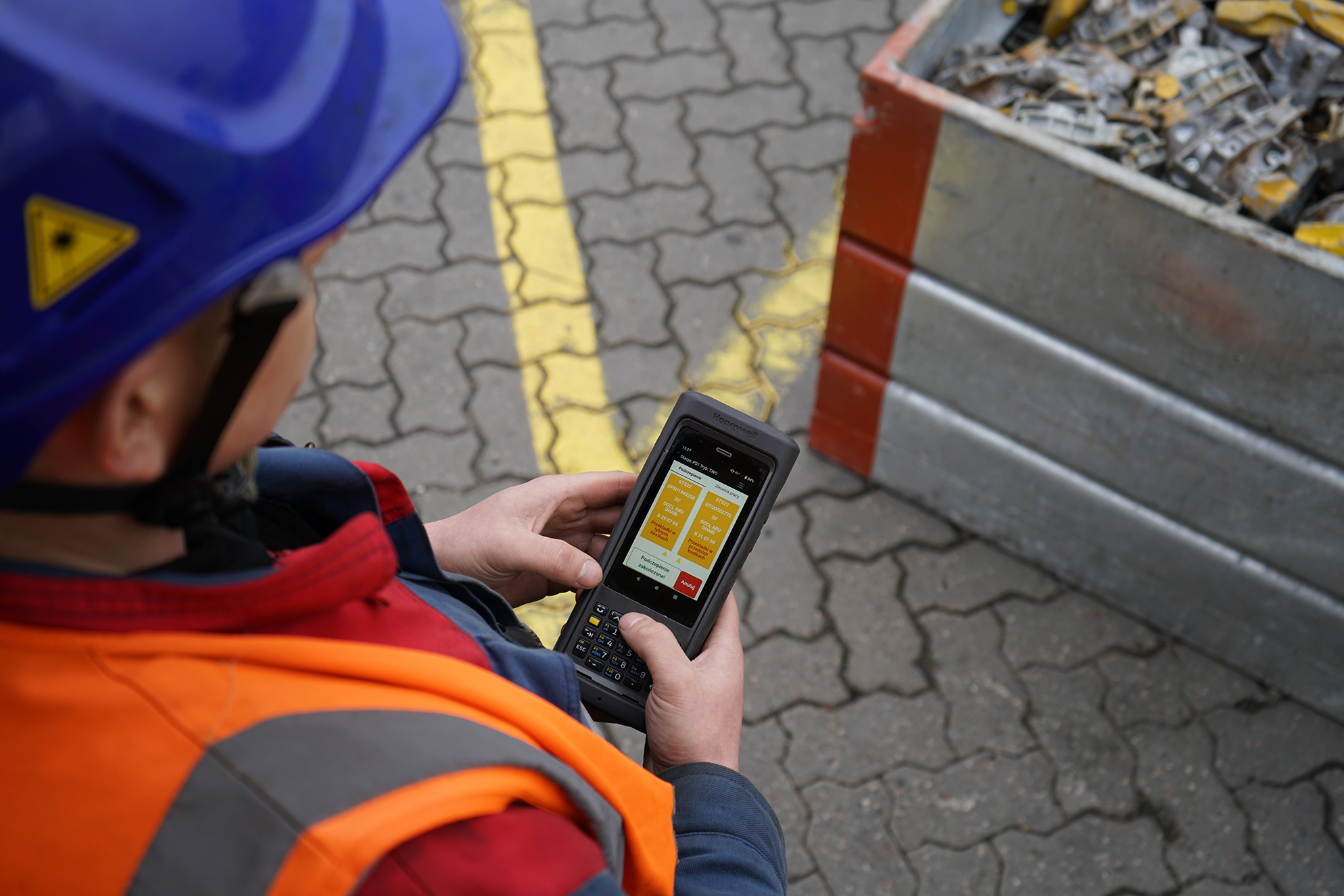
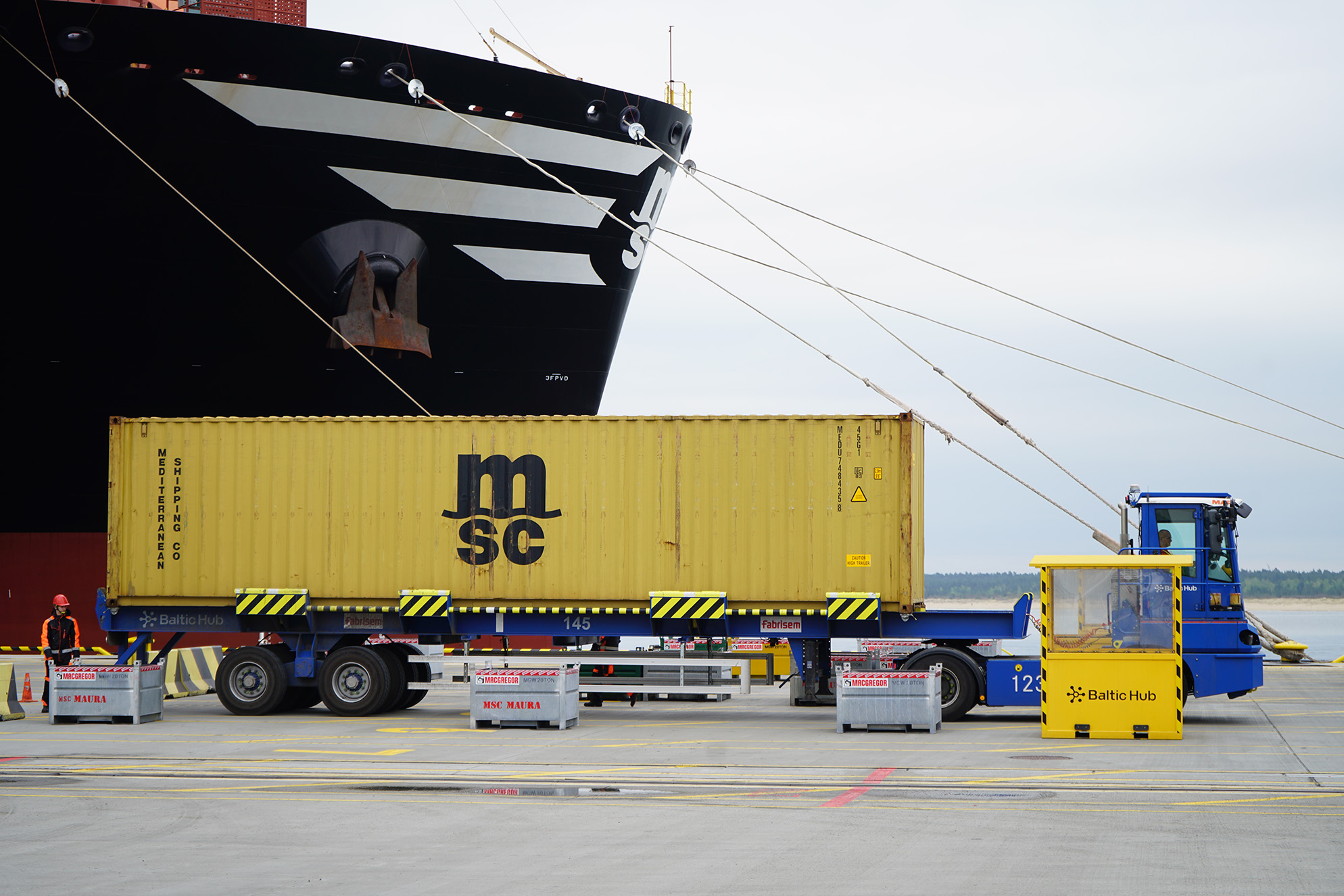
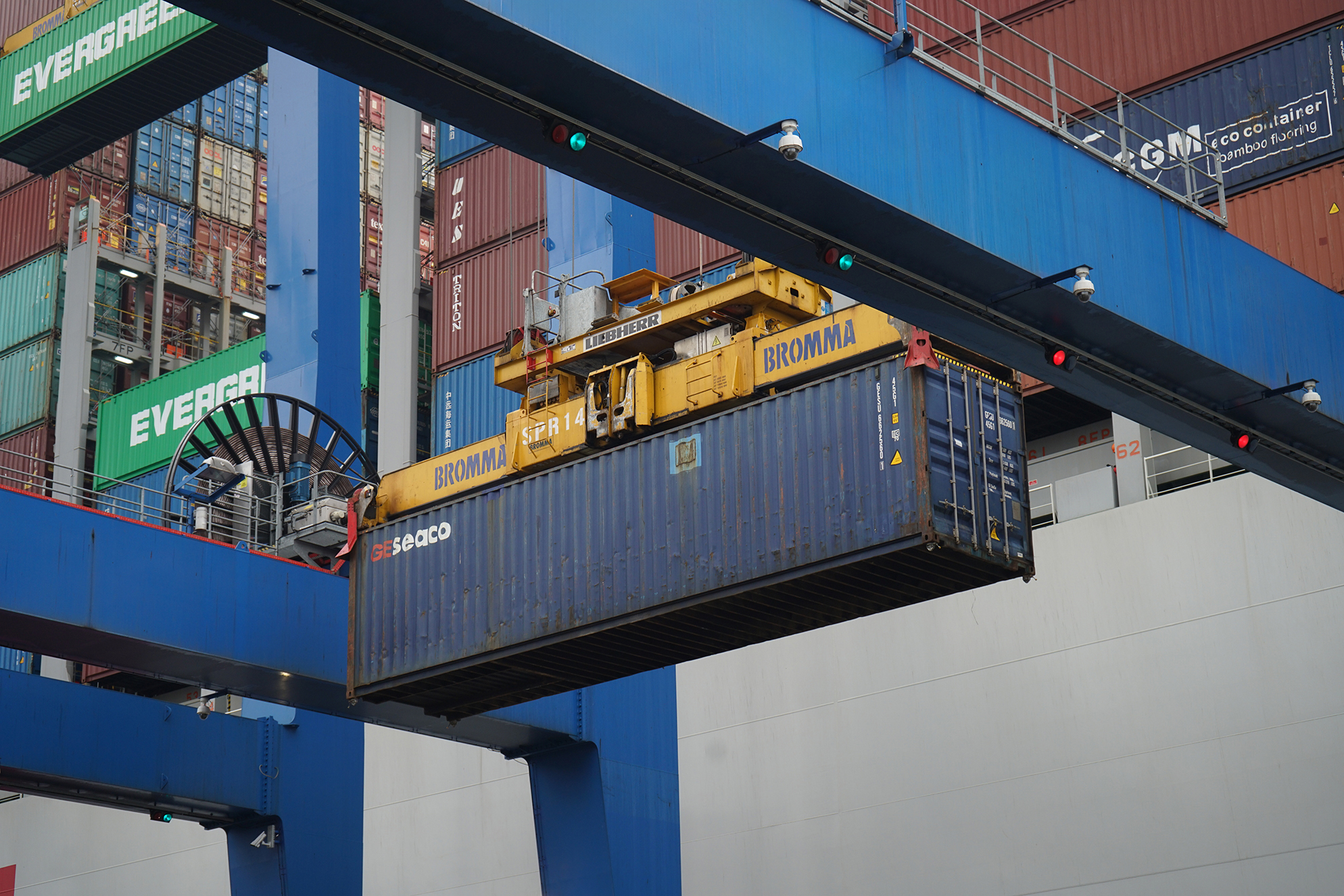
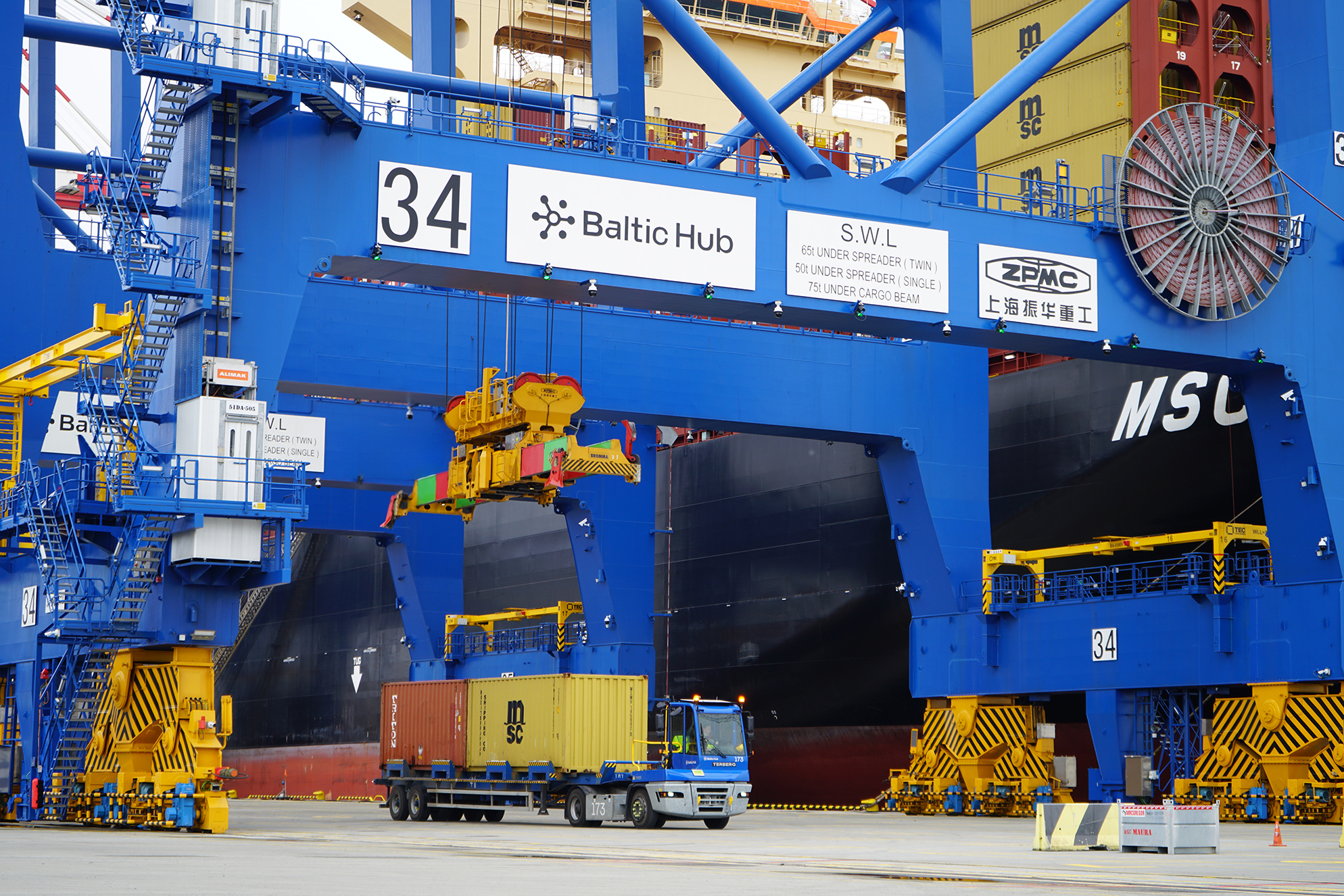
The new automated and digitally assisted process has significantly enhanced safety by minimizing human presence in high-risk areas, while also improving transparency, efficiency, and overall operational reliability.
Baltic Hub, Poland
The wharf optimization project successfully modernized our key operations and introduced a higher level of automation and control.
Baltic Hub, Poland

Contact us
Curious to learn more?
Find out how Visy solutions would optimize your business .